
Bird ringing today was an all-age event. Everyone enjoyed watching the process of ringing – explained in yesterday’s blog. Nearly everyone who came was able to see a bird at close quarters, and Trevor was able to persuade a Firecrest to perch on one of the youngster’s hand for a second before it flew off. We know the Firecrest has spent the winter here because it was one that we ringed back in October. It was a smart male with a bright orange crest and one of two that came into the nets this morning.

Birds ringed today included: Blackcap, Sedge Warbler, Firecrest and Great Tit. We have had more Blackcap than any other species.

This afternoon, I wandered up to Les Laches where the air was full of Swallows and House Martins swooping down low over the fields re-fuelling on insects on their journey north. Some will stay in Sark to nest but many will continue over to the UK, France and Holland. These birds return to their same nesting site year after year and its good to see that there are still plenty of old outbuildings on the island providing good nesting sites.
Wild flowers are coming into their own. Primroses and celandines are now going over. The bluebells are glorious and some of the summer flowers are starting to appear. Late April and early May sees the island’s flora at its best.



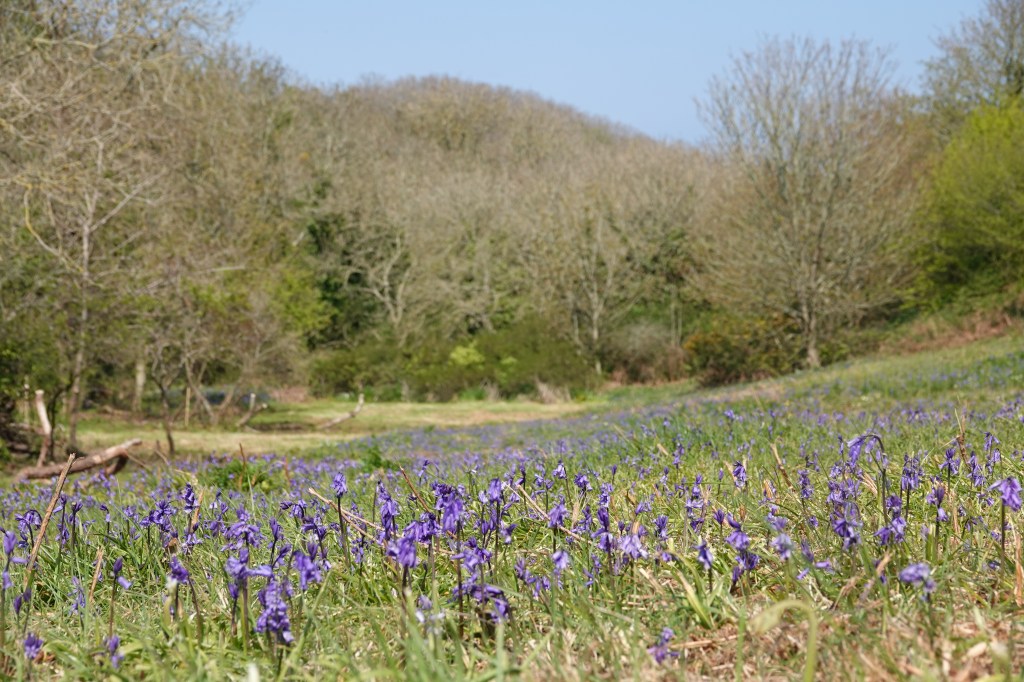
Lynda Higgins told me that Le Vallon d’Or (Golden Valley) derived its name from the stands of gorse. It is still present but not as widespread but the valley looks beautiful now as it is carpeted with bluebells.
Golden dandelions by the entrance to the valley – a wonderful food source for a wide range of insects. Every garden could have some, even in a small corner, to help our insects.

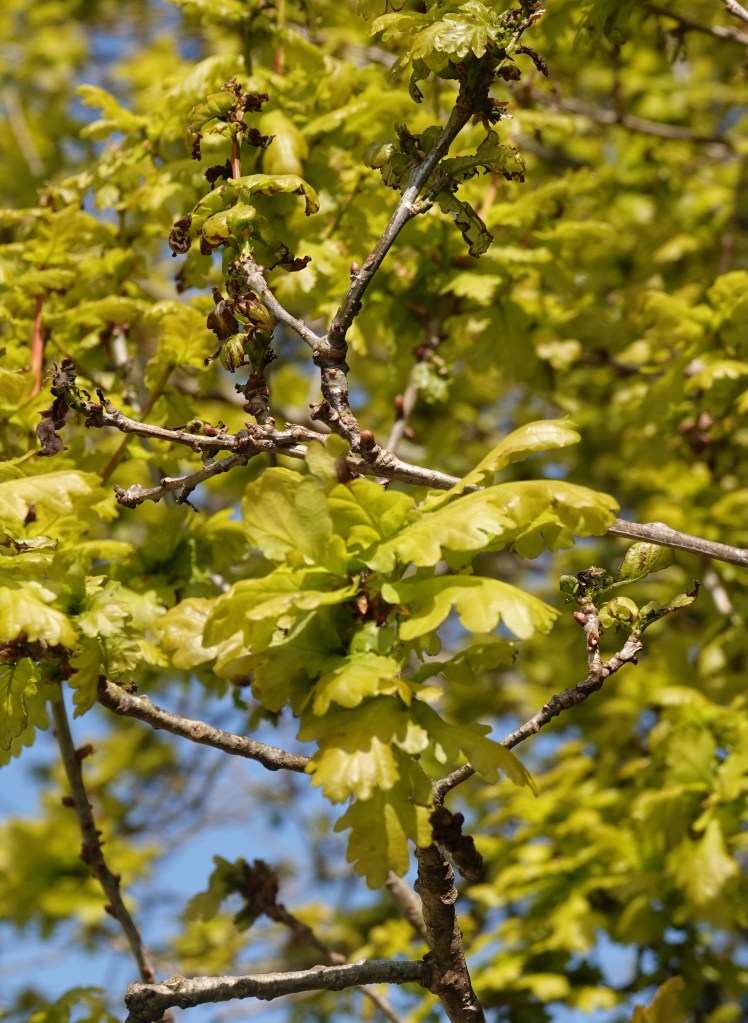
The emerging foliage of English Oak adds its own golden hue. As a native tree it will host hundreds of insects and other invertebrates which in turn attract a good variety of birds.
 Natural history of the Bailiwick of Guernsey