
The area around the German tower has been overgrown in parts with sour fig. Every year, I pull a bit back on the coast side as there are lots of Black-backed Meadow Ants, although I have yet to find the nest. It is good to know that the Guernsey Conservation Volunteers
are also working in the area and a fair bit has been cleared. The really good news is that there are plenty of native species ready to fill the gaps. In the small area south of the tower I photographed the following plants that are in flower.
Clockwise from top left: Sand crocus, Romulea columnae, Early Forget-me-not, Myosotis ramosissima, Bluebell, Hyacinthoides non-scripta, Danish Scurvy Grass, Cochlearia danica, Sea Campion, Silene uniflora, Thrift, Armeria maritima, and Western Gorse, Ulex europaeus.


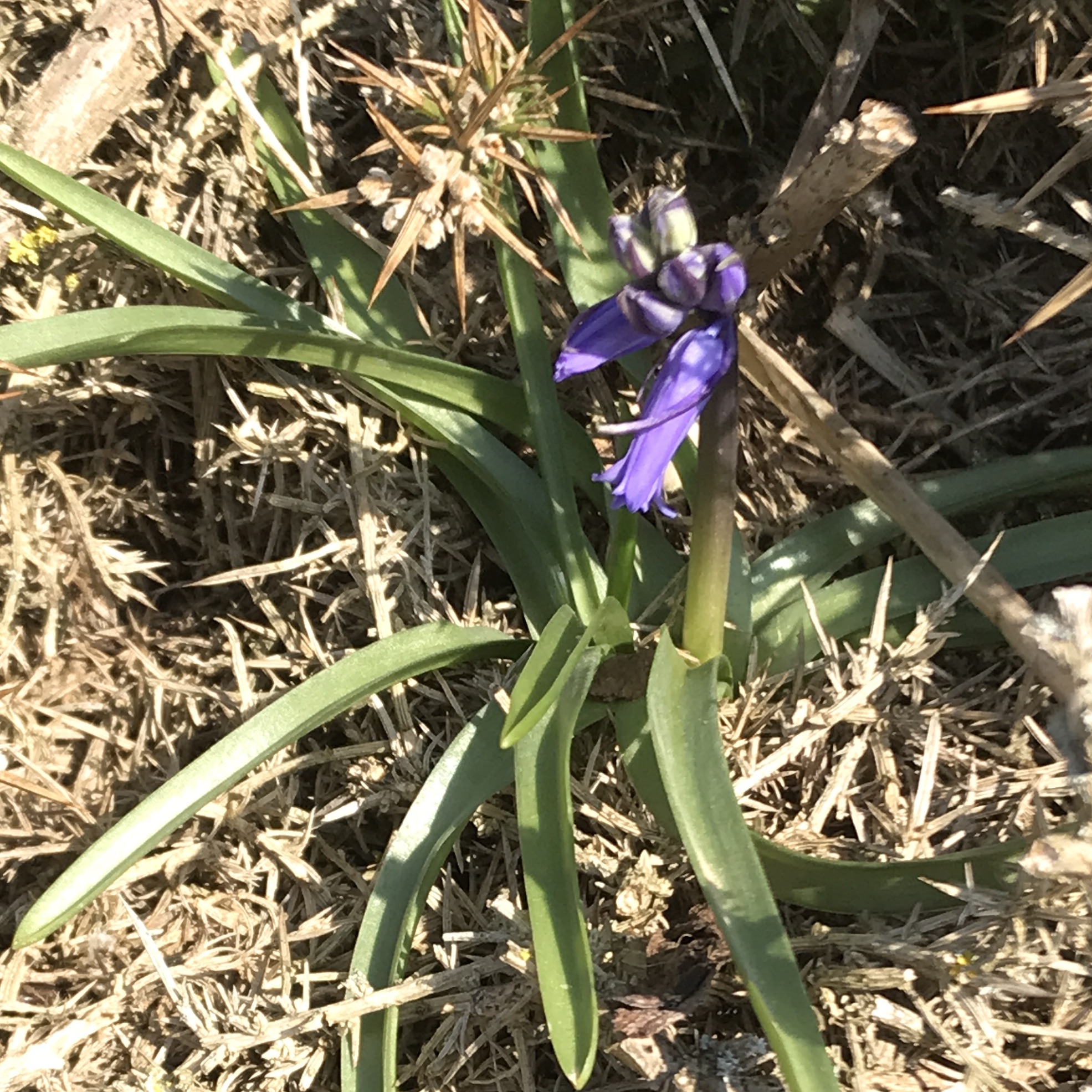

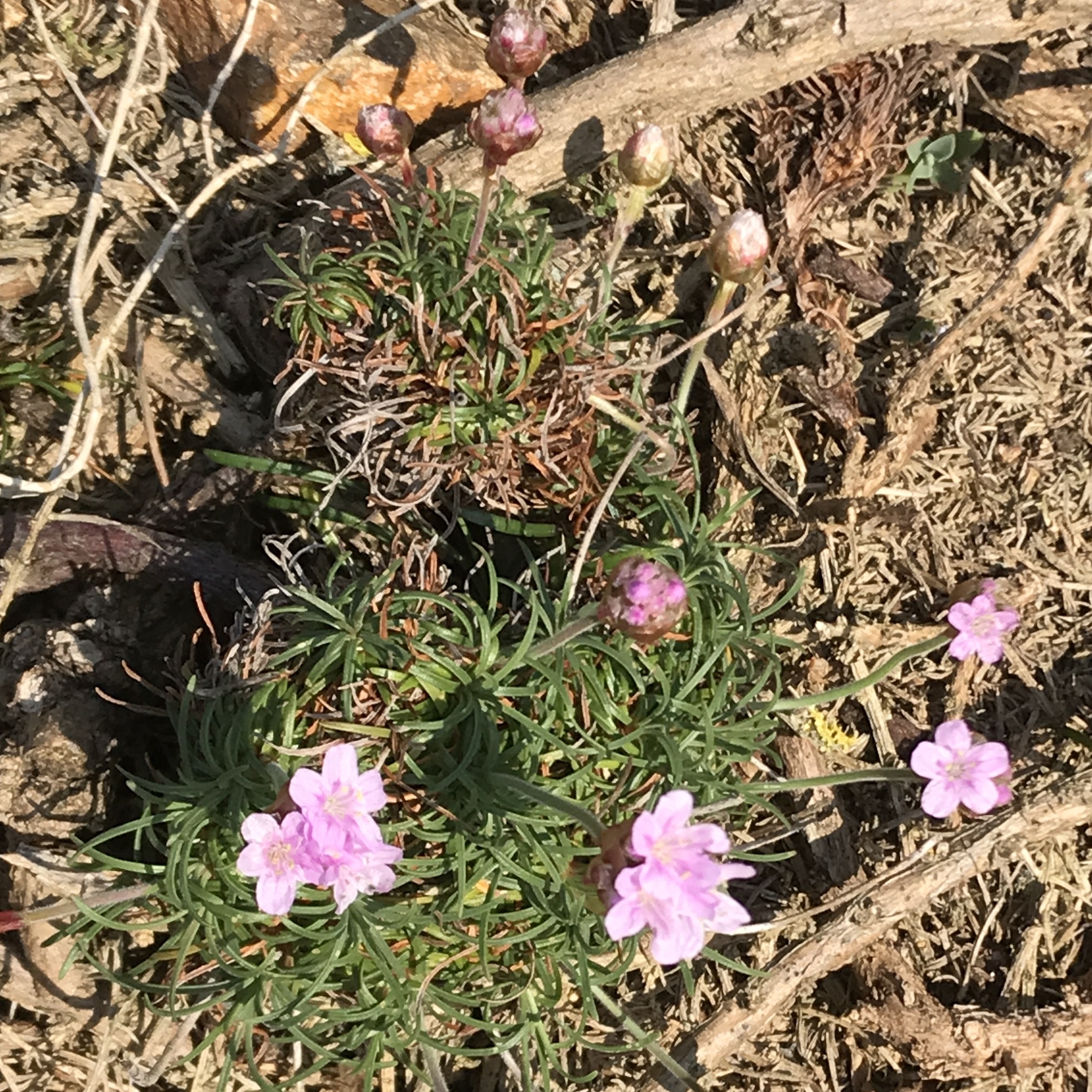

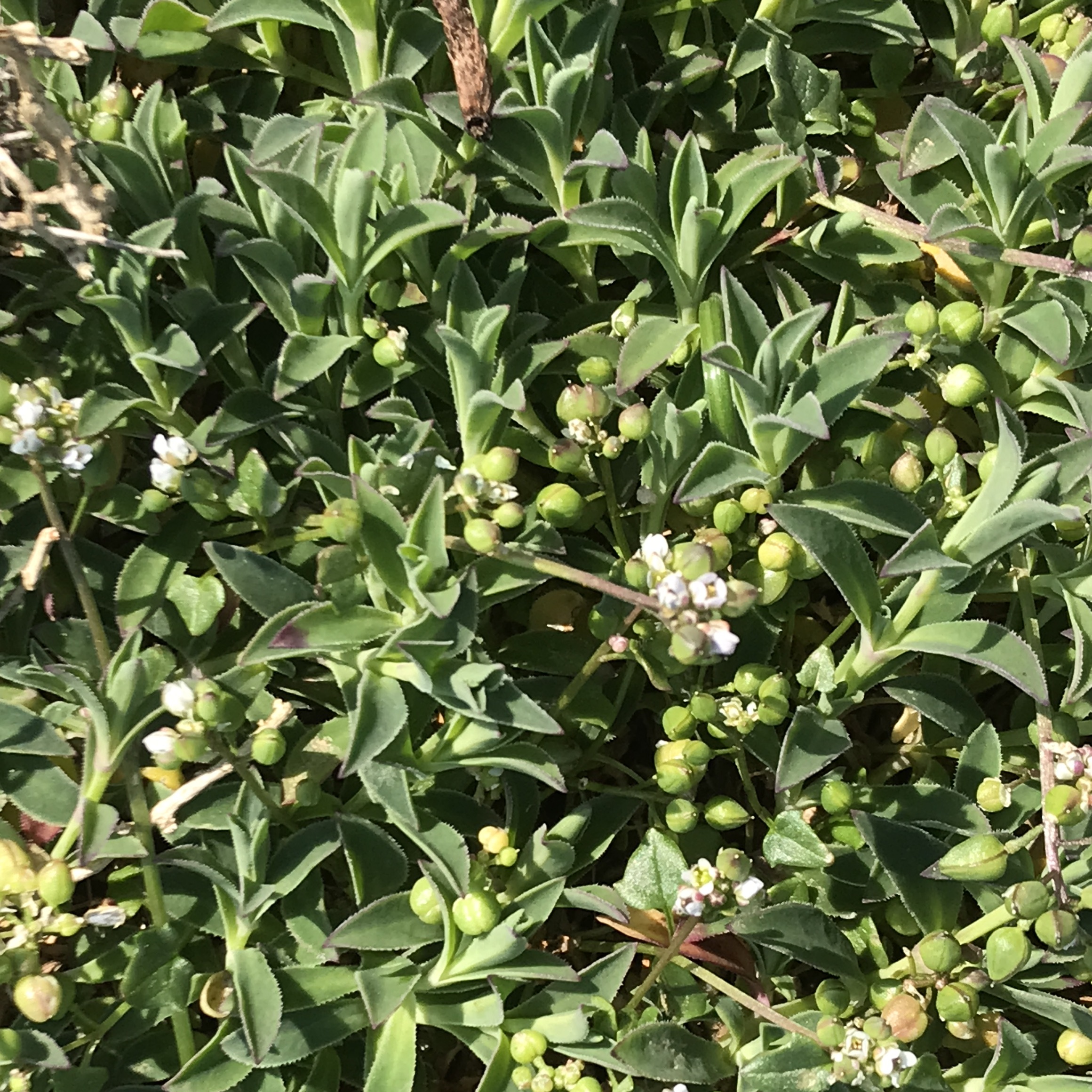
Sand Crocus takes pride of place as it is so rare in the UK – only found at Dawlish Warren in Devon, with one confirmed record at nearby Holcombe. Already these delicate, pale blue stars are lighting up barren patches on the cliffs. They are small and easily overlooked but today were plentiful on the walk east to La Corbière. The Bluebells are just starting into flower and it won’t be long before they are set off by the white Sea Campion in full bloom and the first flush of Red Campion.
The area at Les Tielles where the sour fig was cleared a couple of years ago has come into its own. The work at Le Prevôté promises to help our beautiful wild flowers reclaim some territory which can only help to sustain or even increase biodiversity.
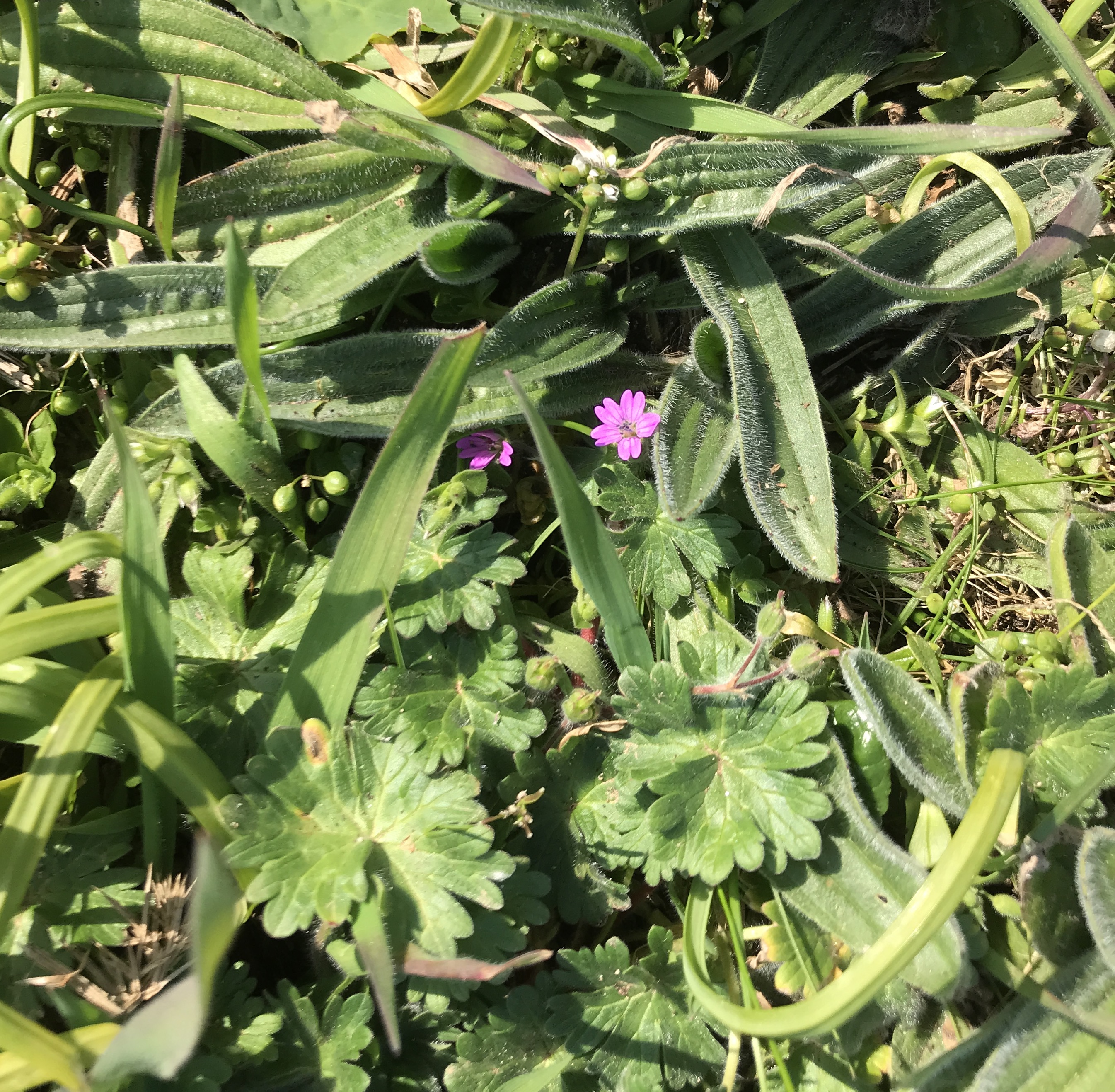
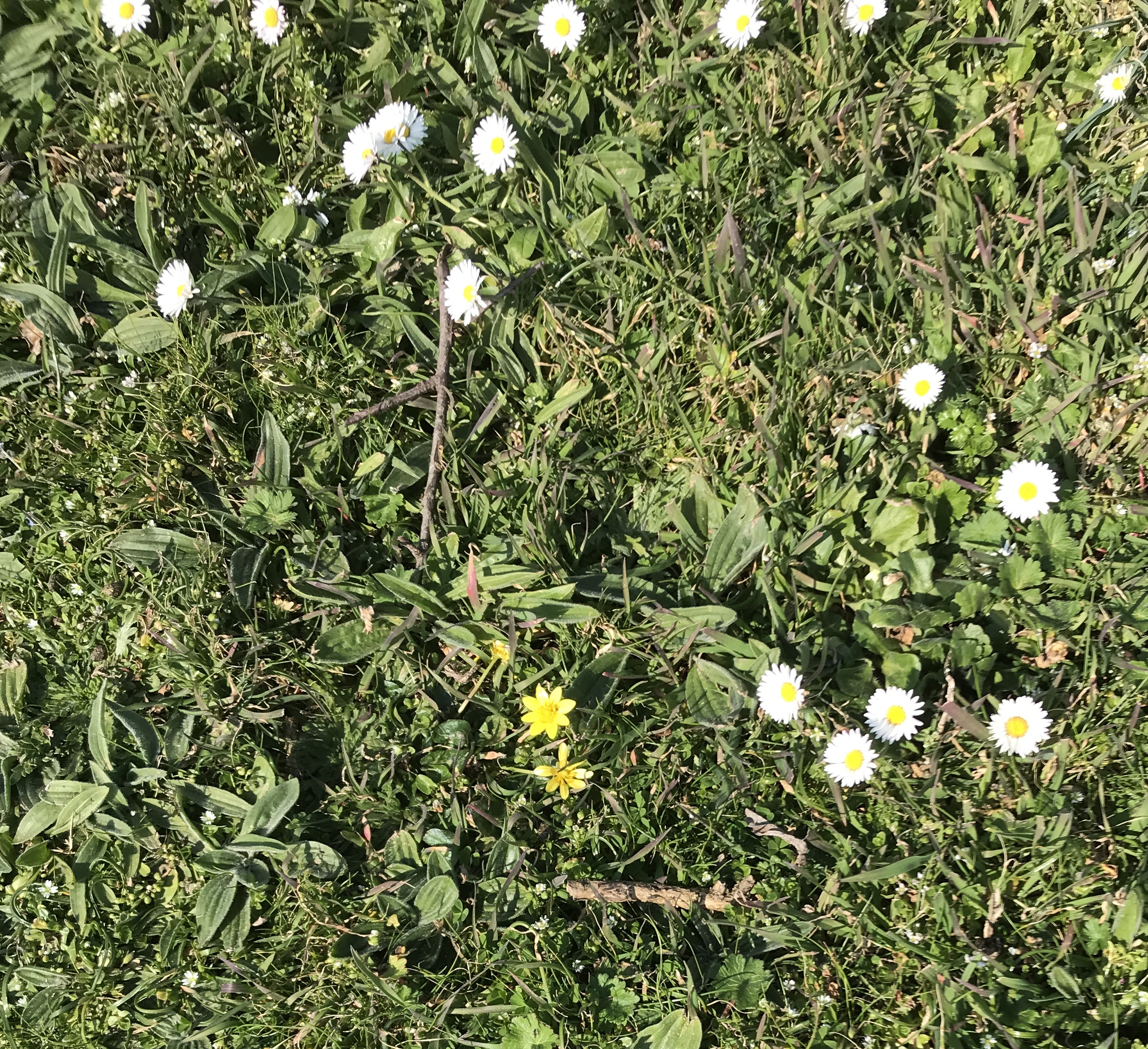
Other flowering plants along the walk included: Portland Spurge, Euphorbia portlandica, Common Fumitory, Fumaria officinalis, Dove’s-foot Crane’s Bill, Geranium molle, Ribwort Plantain, Plantago lanceolata (food plant of Glanville Fritillary caterpillars), Common Daisy, Bellis perennis, Lesser Celandine, Ficaria verna.



The ant nests are in need of reflagging ahead of the path clearance team and this was my job today.

 Natural history of the Bailiwick of Guernsey