Sunday 14 November – Pop-up Hide

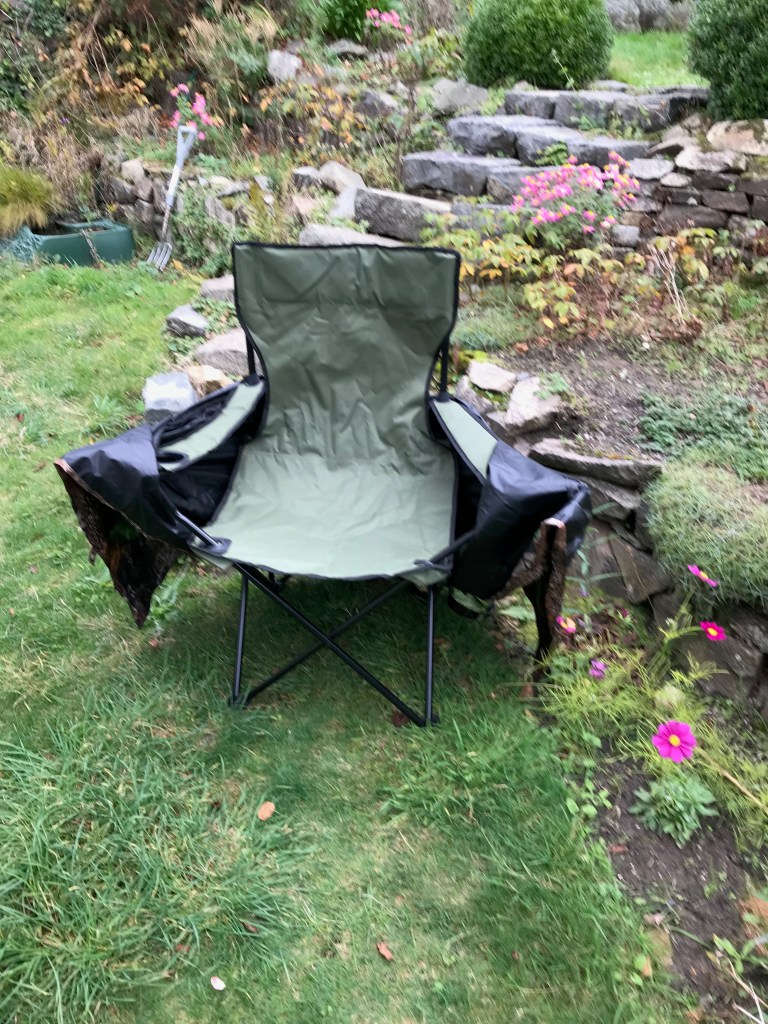
Following on from my last blog, I wanted to add a bit of detail on my pop-up hide and the results from using it in the garden. Basically, it’s a camp chair with a camouflage cover which comes up and over – rather like a large old-fashioned pram hood. There are several zipped openings although I find that with a camera and tripod it is only practical to use the front one. There is a second opening over the front which I unzip sllightly so I can see out. I see that I’ll want to move on to a hide that is not attached to a chair. Otherwise, I am happy with this arrangement and very pleased to get this close to see the birds doing what they do and to be able to enjoy using my camera.

After I’ve settled myself in with the camera, it takes about ten minutes for the birds to come in. I put feeders out on my plum tree over the autumn and winter. I use black sunflower seed – the husks help to add organic material to my thin, sandy soil – and niger seed. I also have a bird bath.

It’s always the tits that come in first, usually Blue Tits nipping in to grab a seed and flying straight off to eat it. Great Tits generally do the same.

Great Tit, Parus major, probably a female as it only has a narrow band of black feathers going down the chest.

The Robin is also quick to come in, usually below the feeders to pick up suet pellets that I scatter on top of the hedgehog house.
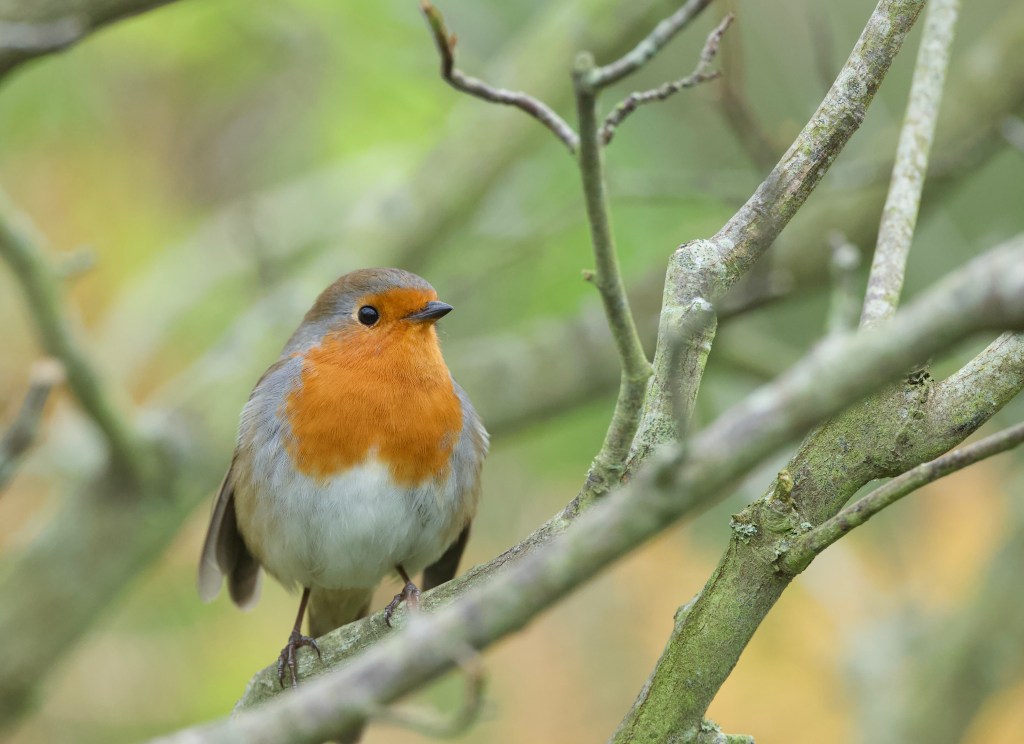
Robin, Erithacus rubelcula

These are also taken by the Dunnocks who like to ferret about in the bushes.

Dunnock, Prunus modularis

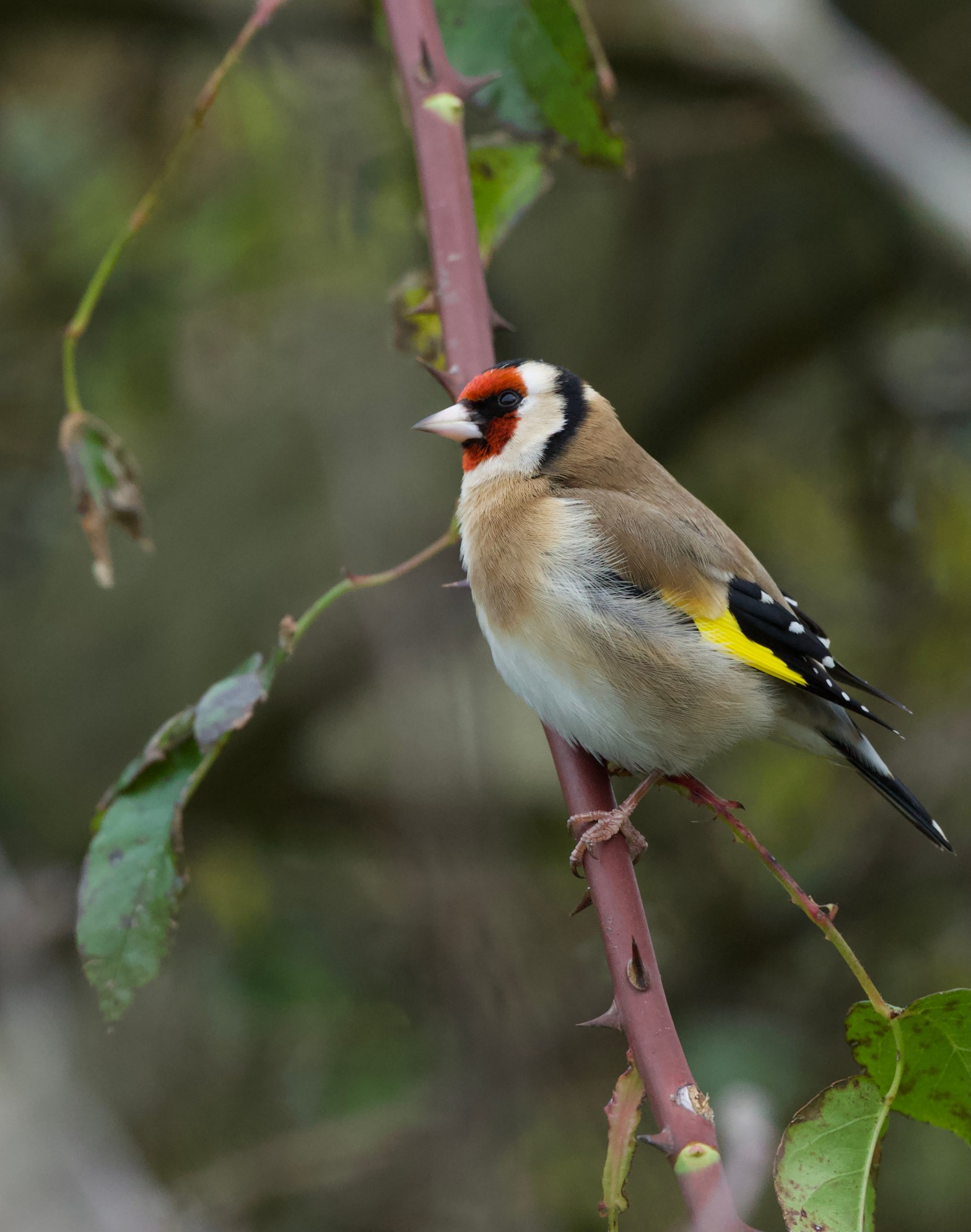
A little later, the finches arrive. After a few minutes in the surrounding trees, they like to come down to the feeders and stay for a while on the perches pecking out seed after seed from the feeders. They are wasteful – they can tell the quality of a seed when it is in their mouth – if it’s small they simply drop it and go for another. This autumn I have reguarly seen around twenty Greenfinch, but Goldfinch numbers are down compared to other years – four or five instead of about a dozen.

Chaffinches then come in on the ground to feast on the dropped seed.

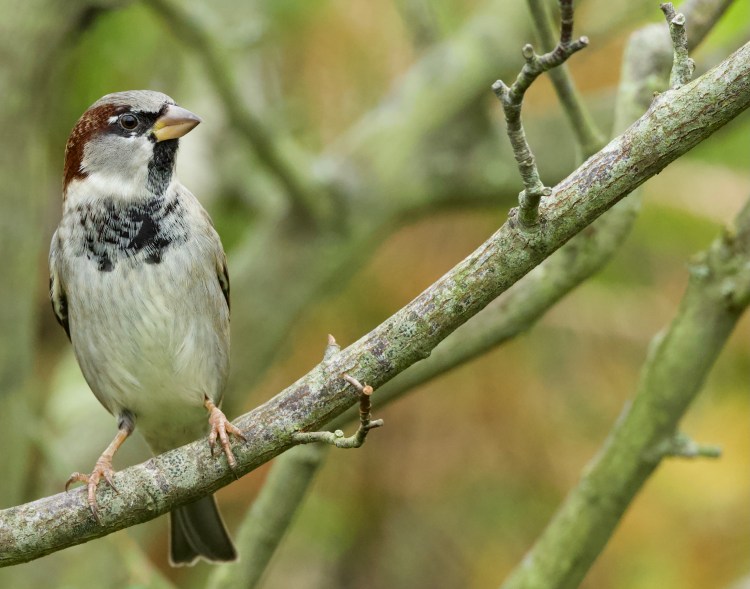
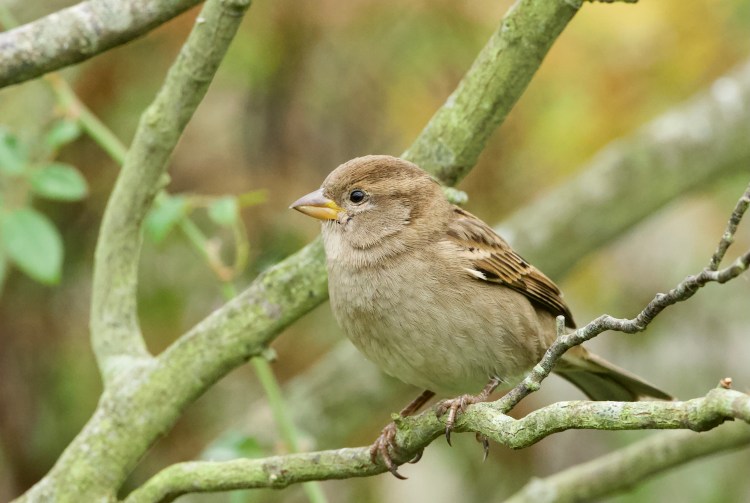
The House Sparrows are very sedentary. For years there was a tribe further down the lane and it’s only in the last two years that they have nested under my neighbour’s roof. This is the first autumn they are coming to the feeders in my front garden.

House Sparrow, Passer domesticus, using its tonge to get the seed in just the right position.

Monday 8 November

Up and about before daybreak today and had a Barn Owl fly right past me, the first in flight sighting this year, so the day was off to a great start.

We were ringing for a few hours, and it was fairly quiet. Six Chiffchaff and one had very dull colouring – possibly abietinus which breeds in Scandinavia. It also had a different call to the other birds.

Chiffchaff, Phlloscopus collybita

Rod Ferbrache recently posted that he had bought a new hide for the garden. This is something that has been at the back of my mind for a little while. I have a camouflage net which is effective. I have used it on the beach and had Rock Pipit right next to me. A pop-up hide would have more structure and, with a chair, would be more comfortable. So, I treated myself to one for my birthday. I put it up a few days ago using just my binoculars to see how it worked out. My verdict – very successful – much closer to the birds and they were more relaxed than when I look at them from the front door. I even had a Robin perch on top and sing!

At lunchtime today I tried it out with my camera and tripod and I’m really pleased with the results, as the light levels were lowl. Aside from the birds, I love the soft Autumn greens. November is a beautiful month.

I spent some time this afternoon starting work on containing the German Ivy, Senecio mikanioides, on part of the northern boundary of Le Grand Pré Nature Reserve. This is an invasive non-native plant which is a real menace as it spreads so quickly. A week of hard frosts would knock it back but winters are less cold now.

Sunday 24 October

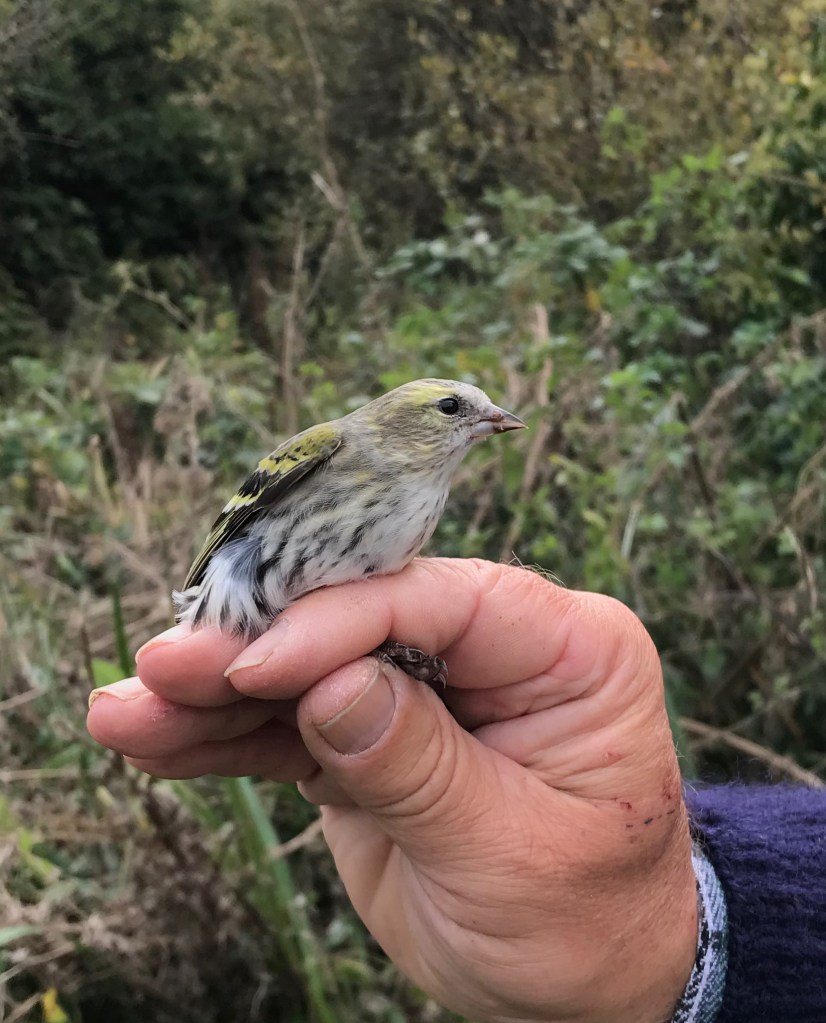
Male Siskin, Chateau des Marais 24.10.21

We’ve just completed a year of bird ringing at Le Chateau des Marais with 99 ringing days between 16 October 2020 and 15 October 2021. I’ll be creating a separate page for this constant effort site. Yesterday finished on a high with a handsome pair of Siskin, Carduelis spinus. A flock flew across our main ride yesterday and these two went into the nets. The main photo shows the male with his dark cap. The female also has lovely plumage , pale on the underside with dark streaking. After ringing, they were released together.

Female Siskin, Chateau des Marais, 24 October 2021

There are plenty of flocks of these lovely finches moving through the island this month. They can be identified in flight as individuals in the flock continually leapfrog each other so the front flyers are always changing. They are attracted to Alder and have been seen in several different locations, showing particularly well at Le Grand Pré.

The flocks come in from northern Europe. They can be seen in the UK throughout the year but many will migrate further south to Spain and North Africa.