TUESDAY 27 APRIL

An early start this morning to start the bird ringing as there was no wind!!!! It was very clear and bright which are not ideal conditions for ringing, but we did have a couple of Blackbirds, some Blackcaps and finished with a Chiffchaff.

Here in the valley we also heard – very tantalising – a Turtle Dove and Grasshopper Warbler alt hough they didn’t stay around. Harry knight and his family came to have a look and he and his sister helped to bring some of the birds back to the ringing station.

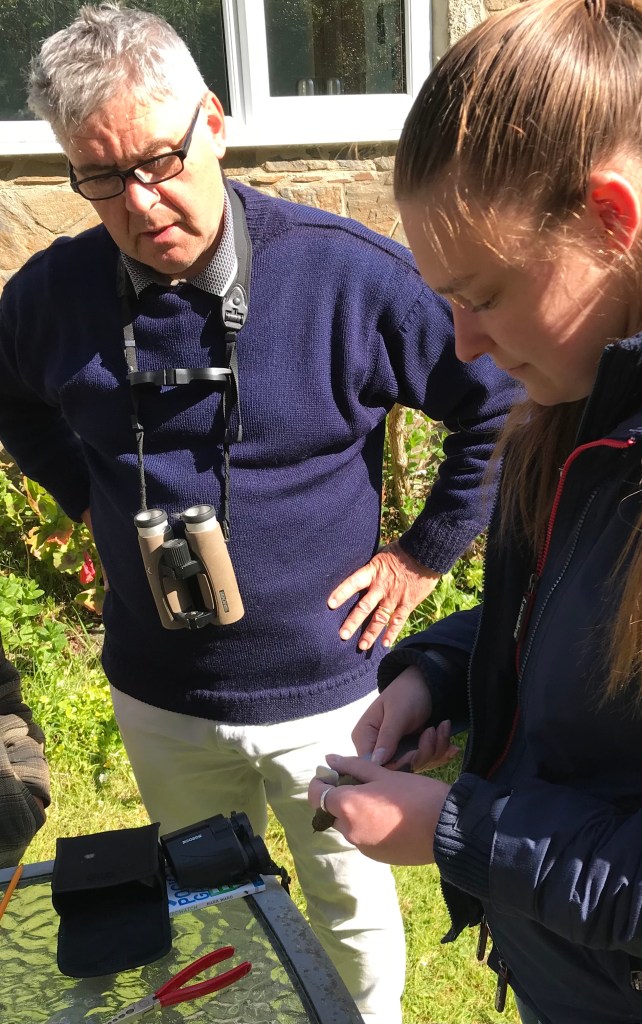
Chiffchaff or Willow Warbler? Trevor shows Charlotte how to look at the plumage to see the difference, with Harry looking on.
Charlotte uses special pliers to put a metal ring around the bird’s leg – it was a Chiffchaff. The ring will fits well and causes the bird no discomfort.

Each bird ring has a unique number for the Channel Islands ringing scheme which has been running for over 70 years. If a bird is retraced, or found dead, the ring number will give information about it. We have just had information about a Goldcrest which was ringed here at Le Vallon D’Or last October. It was found, sadly dead, in Crozet, France which is near Geneva. Quite a journey for one of Britain’s smallest birds.
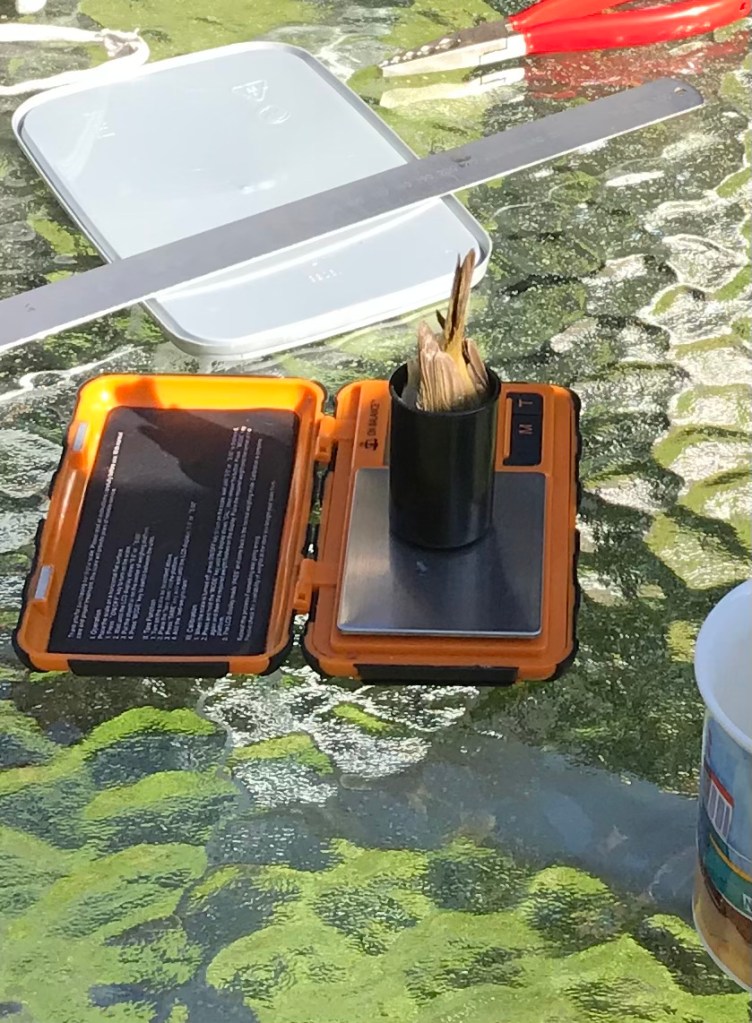
Charlotte uses a special metal rule to measure the bird’s wing length – trickier than it looks. My measurements are often 1mm short.

Before being released, the bird is weighed – not very dignified but it works.

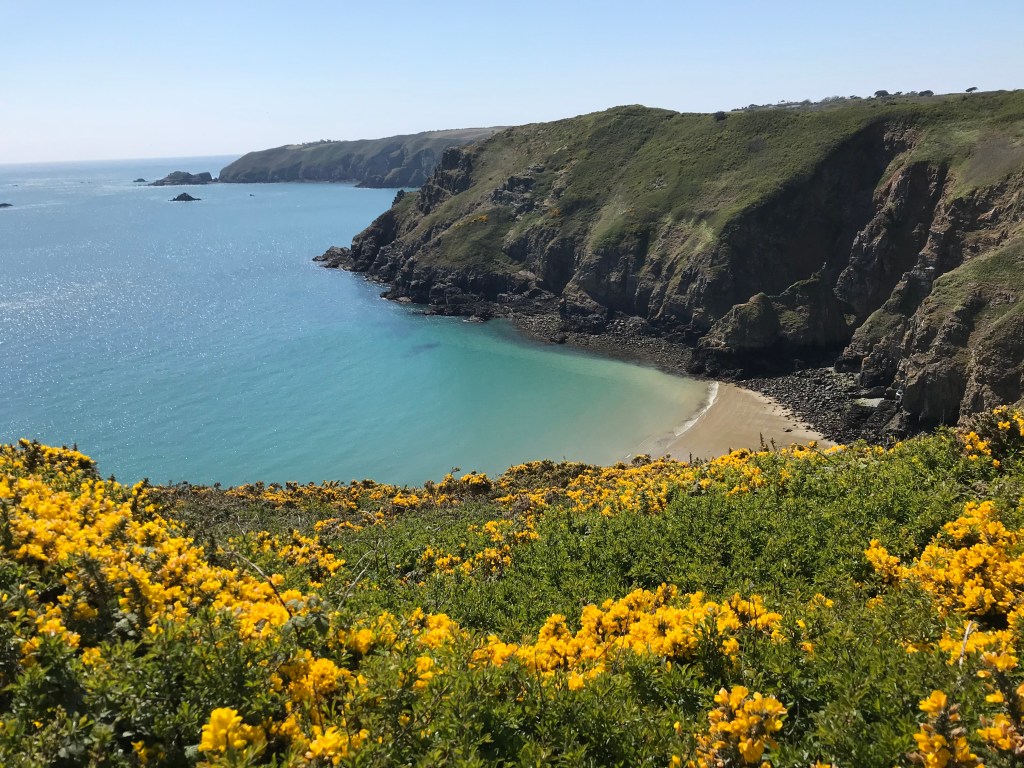
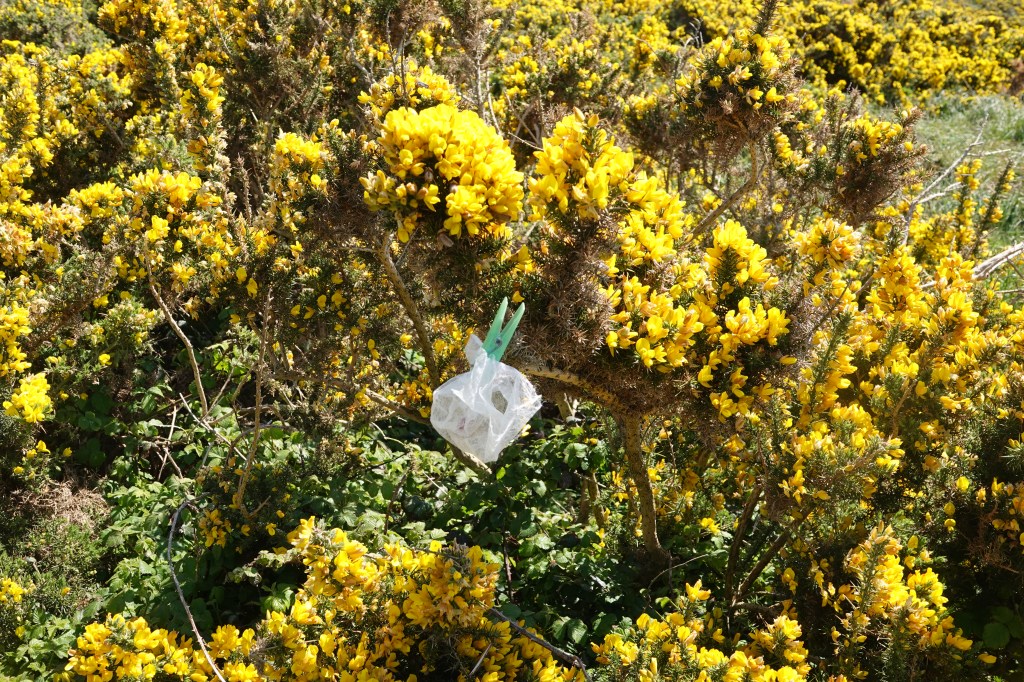
This afternoon we went to L’Eperquerie Common in the north of Sark. A blaze of gold from the gorse – so bright in the sunshine it almost hurt the eyes. This is ideal habitat for Dartford Warbler. Trevor glimpsed one near Dixcart yesterday and there have been other sightings so we had great expectations.
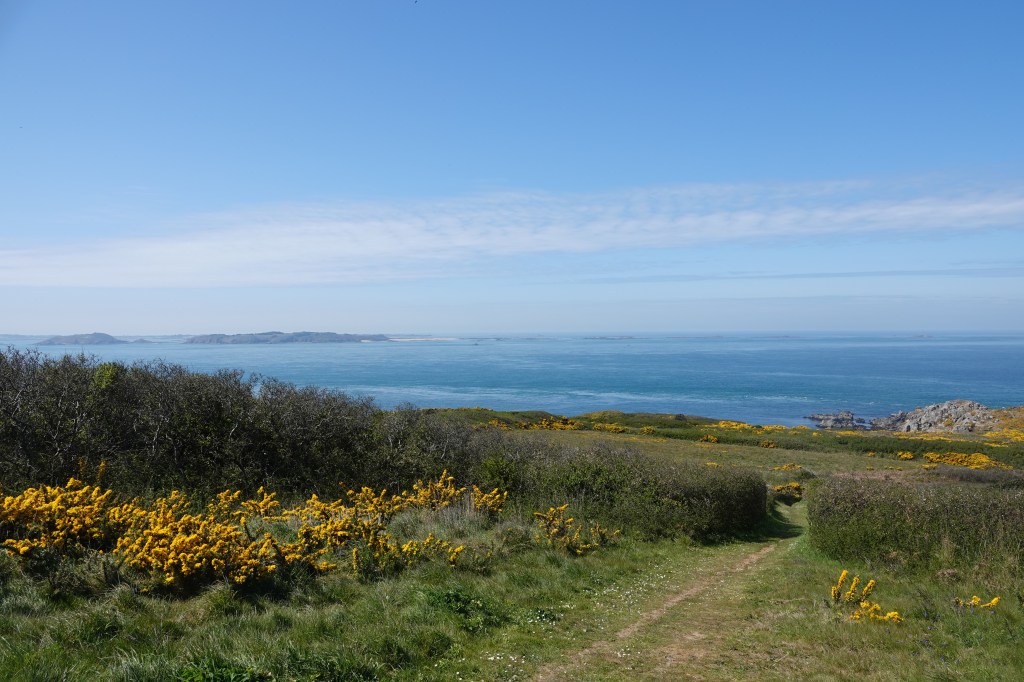
The view from L’Eperquerie Common over to Herm and Jethou

We did see: Whitethroat, Blackcap, Chiffchaff, and large numbers of Swallows and House Martins making the most of the fine weather. Dartford Warbler – nil. Such is life. Lesley, Trevor’s wife, below right, tells me they’re much more obliging in Alderney. We had better luck with butterflies: Green Hairstreak, Common Blue (both first of the year for me), Wall Brown, Red Admiral, and on the way back a Painted Lady. Trevor spotted a Brimstone Moth at 50 paces, ‘That moth looks more yellow than white.’! And at about 3mm long a very smart Grapholita Internana – no surprise to learn that it’s food plant is Gorse.
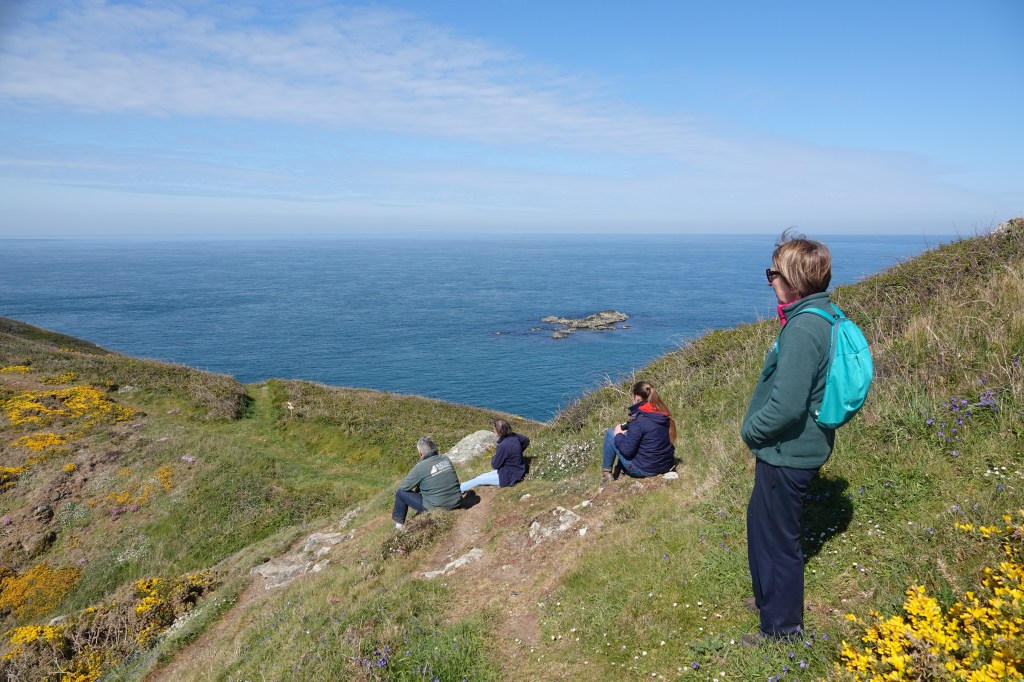
Beautiful view, no Dartford Warbler

Thursday 29 April

We had the pleasure of nineteen children from Sark School who came to visit us this morning to see bird ringing at first hand. It very nearly didn’t happen – the children came but the birds didn’t. We had ringed a few earlier (one before 06.00) but it was a very quiet morning. One male Blackcap saved our bacon and kindly flew into the net while the first group were down by the nets. Trevor was able to demonstrate taking the bird out of the net and how we process it. He also spoke about the important data we have from bird ringing. It was an enjoyable couple of hours as the children heard about the importance of local habitats for birds, moths and other insects. They even found a little time for a mini beast hunt – all the animals were returned unharmed.

The very helpful male Blackcap
Derrible Bay, Sark

In the afternoon we were out and about looking for Dartford Warbler. Individuals up in Alderney have been very obliging; the Sark ones have been heard, very briefly glimpsed but have not played ball.

Trevor had brought a pheromone lure to see if we could attract male Emperor Moths. This mimics the scent given off by the larger female. No sooner was it hung on a handy gorse bush than two males arrived, shortly followed by a third.

Trevor was able to net one. Sadly, the photo does not begin to do it justice. This was a first for me and they are breathtaking moths.

Male Emperor Moth

It’s been a busy few days, our bird list is up to 52 with Razorbill and Oystercatcher added today. While we’re on numbers, I’m very happy as my ringing total got to 800 today. We’re hoping for quite a few more before the end of our stay although conditions continue to be dry and clear. We’ll enjoy our walk to Stocks Hotel for dinner this evening.

Wednesday, 28 April

Bird ringing today was an all-age event. Everyone enjoyed watching the process of ringing – explained in yesterday’s blog. Nearly everyone who came was able to see a bird at close quarters, and Trevor was able to persuade a Firecrest to perch on one of the youngster’s hand for a second before it flew off. We know the Firecrest has spent the winter here because it was one that we ringed back in October. It was a smart male with a bright orange crest and one of two that came into the nets this morning.

Male Firecrest

Birds ringed today included: Blackcap, Sedge Warbler, Firecrest and Great Tit. We have had more Blackcap than any other species.

Headland near Les Laches, Sark

This afternoon, I wandered up to Les Laches where the air was full of Swallows and House Martins swooping down low over the fields re-fuelling on insects on their journey north. Some will stay in Sark to nest but many will continue over to the UK, France and Holland. These birds return to their same nesting site year after year and its good to see that there are still plenty of old outbuildings on the island providing good nesting sites.

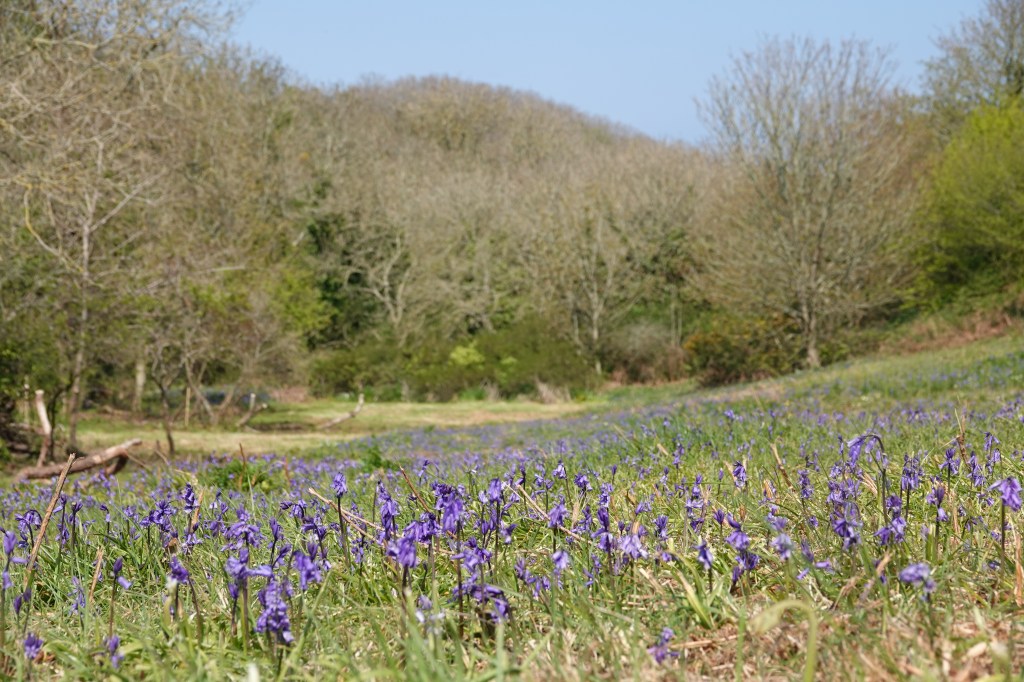
Wild flowers are coming into their own. Primroses and celandines are now going over. The bluebells are glorious and some of the summer flowers are starting to appear. Late April and early May sees the island’s flora at its best.

Spear Thistle
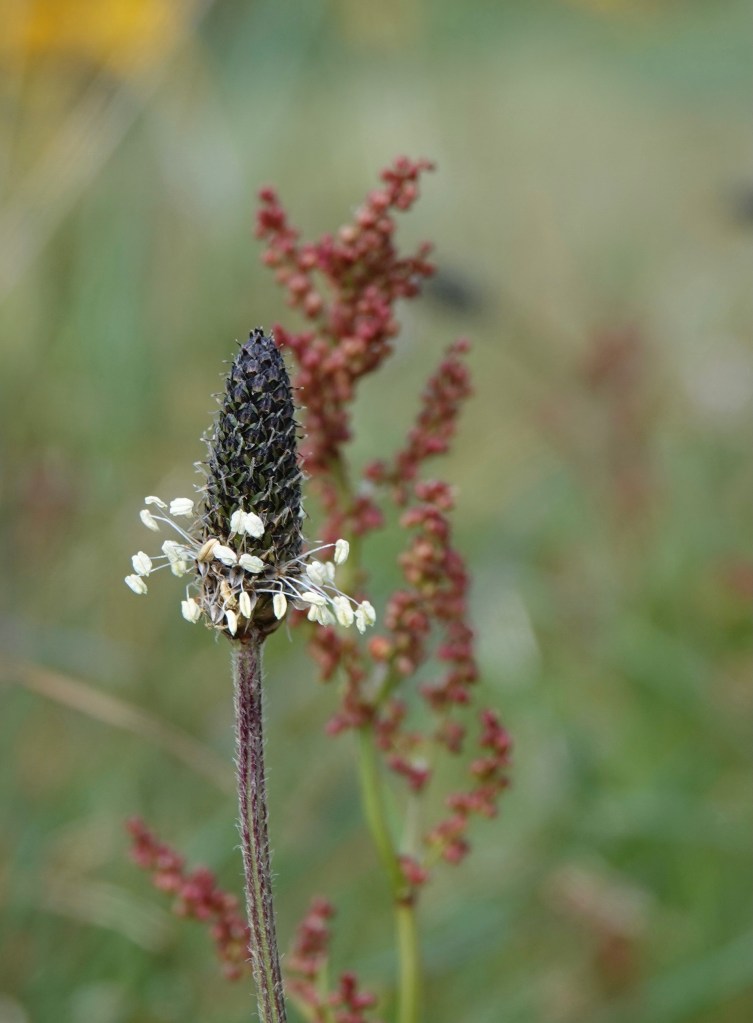
Sheep Sorrel
Ribwort Plantain
Three-cornered Leek

Lynda Higgins told me that Le Vallon d’Or (Golden Valley) derived its name from the stands of gorse. It is still present but not as widespread but the valley looks beautiful now as it is carpeted with bluebells.

Golden dandelions by the entrance to the valley – a wonderful food source for a wide range of insects. Every garden could have some, even in a small corner, to help our insects.

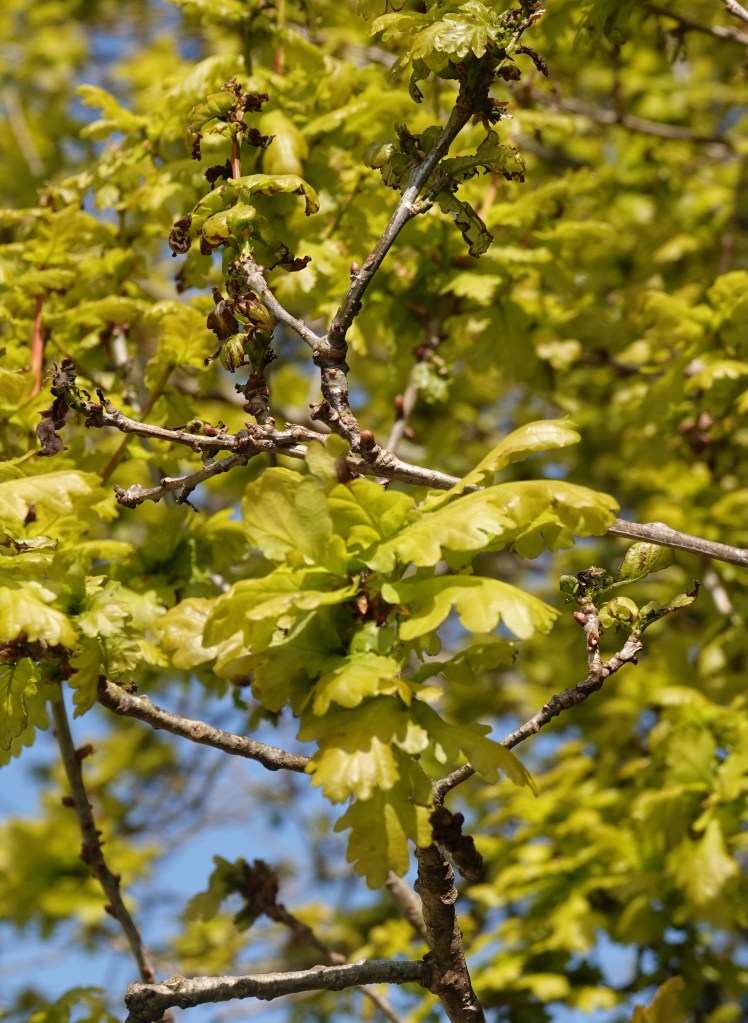
The emerging foliage of English Oak adds its own golden hue. As a native tree it will host hundreds of insects and other invertebrates which in turn attract a good variety of birds.