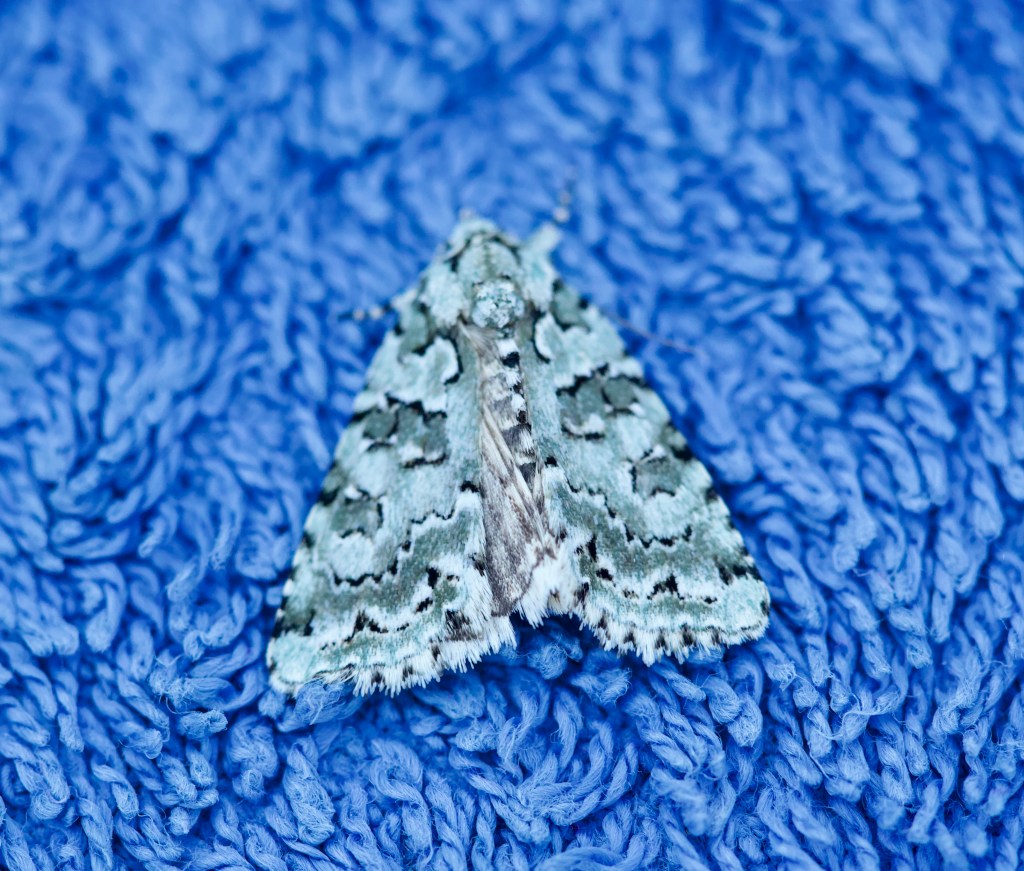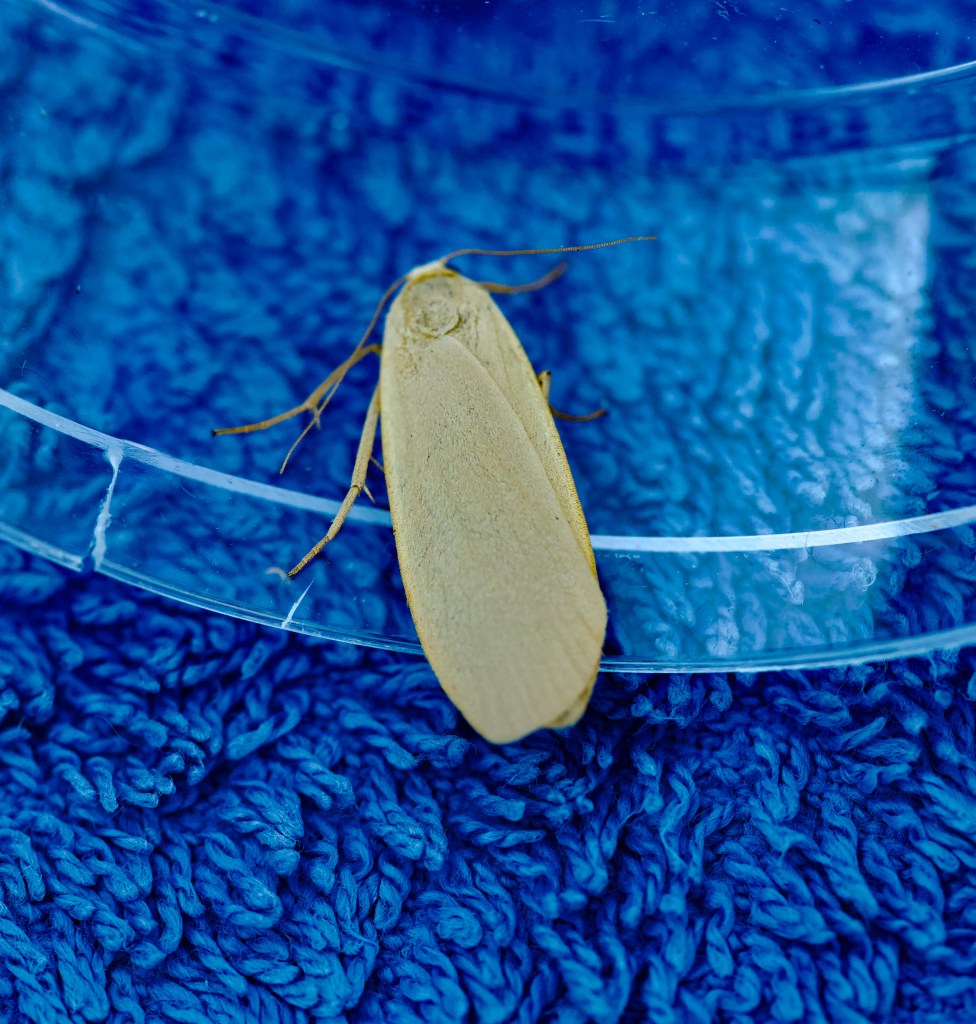
Pleinmont, 2nd September

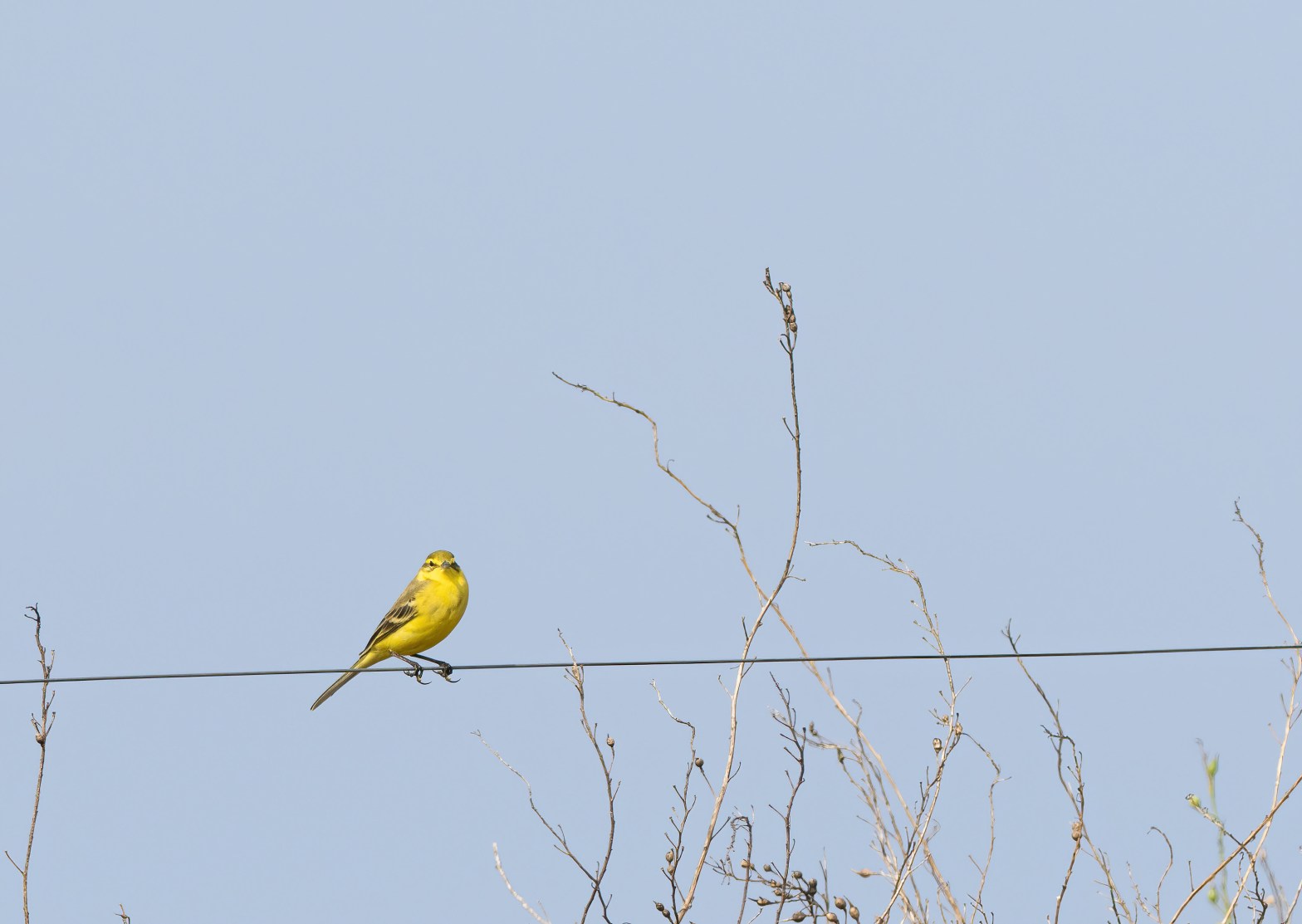
Some very welcome overnight rain made it a promising day for migrants, and also gave me a chance to try out my new camera. The highlight, walking towards Mont Herault, was a flock of at least 30 Yellow Wagtails. These are passage migrants, making their way south of the Sahara where they will overwinter.

Yellow Wagtails, the female is not so brightly coloured.

There were occasional breeding records in the past, the last was in 1969 and they have been classified as a non-breeder since 1977.

There are several subspecies, these birds with the males showing a yellow-green crown and nape with a bright yellow face, is the British Motacilla flavissima.

Also showing in good numbers so far this month has been Whinchat. It is closely related to the resident Stonechat, the broad, pale cream stripe over the eye is the main distinguishing feature. Whin is another name for gorse, so Pleinmont is a good place to see these birds on their way to tropical Africa.

Whinchat

The third migrant was a Spotted Flycatcher in pine trees not far from the German tower. This autumn, the first was seen on 25th August. During September, they will continue to move through the island towards their wintering grounds, again south of the Sahara. Sightings in October are unusual.
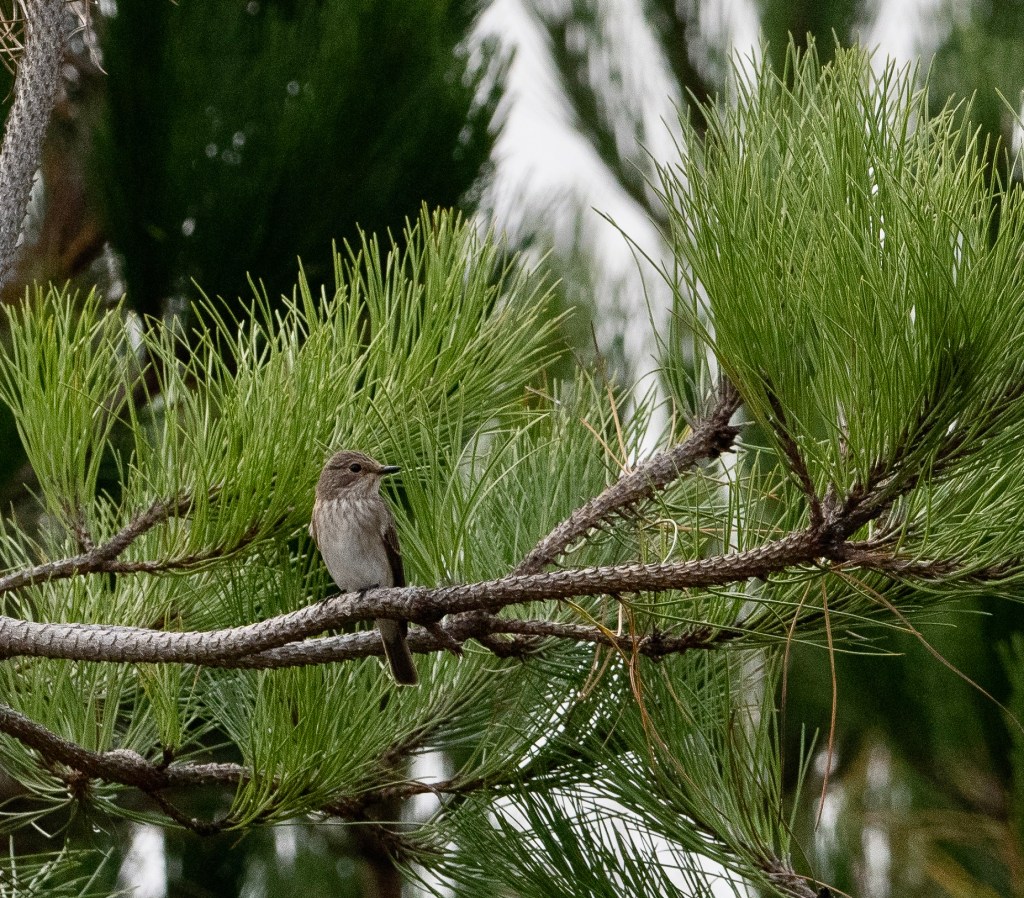
Spotted Flycatcher

Moth of the Day, 23rd July

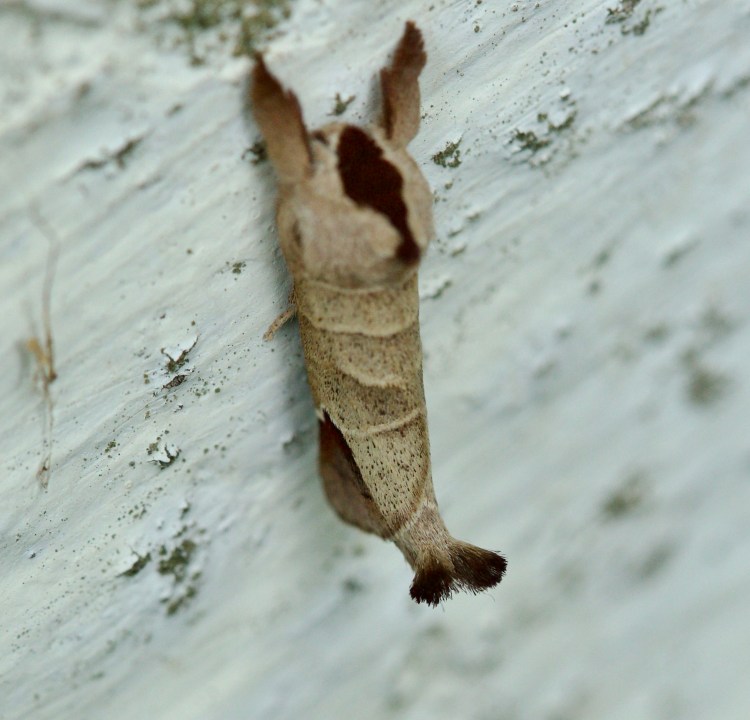
Not the biggest, nor the brightest but I have a new favourite moth. I nearly overlooked the Chocolate Tip as a bit of last year’s dried-up leaf, it really had me fooled for a while. Then, on closer inspection…

… a thick, furry body with wings held in tightly,

and a distinctive furry tuft … I relalised it was a Chocolate Tip. This one is a female. It was worth getting up in the middle of the night when I remembered that I had set the moth trap but hadn’t swtiched on the light. The trap is basically a box with egg boxes inside and a light. Many species of moth are attracted to the light, fall into the box and rest in the egg boxes. These are carefully taken out in the morning for inspection and then replaced. The box is put in a shady corner with a cover so the moths can rest up for the day. In the evening, the cover is removed and the moths can fly off.

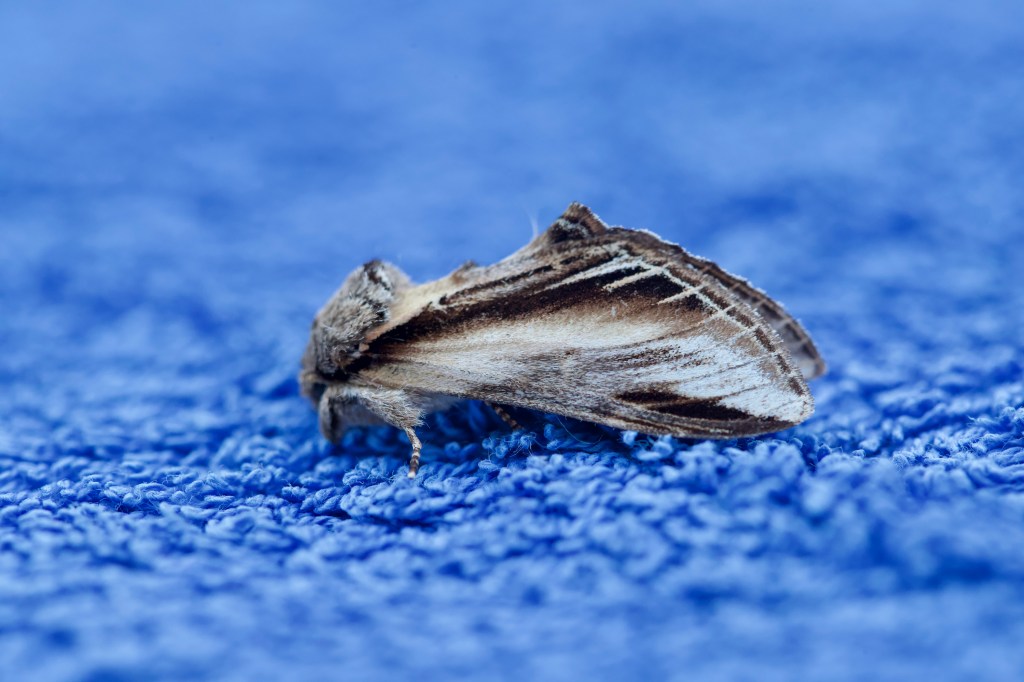
I was delighted to find a second Chocolate Tip in the trap. This one is a male. Their furry legs are something else. As Andy Marquis says, they’re like teddy bears. The photos don’t give an idea of their size which is 14 – 18mm.

With wings a little more spread, it’s clear to see that they are related to the Buff Tip, although the dark tail tuft is unique.

They feed on willow, and the field guide reports that they are common in the Channel Islands, but these are the first ones I’ve seen in my garden.

Moths, 16th July

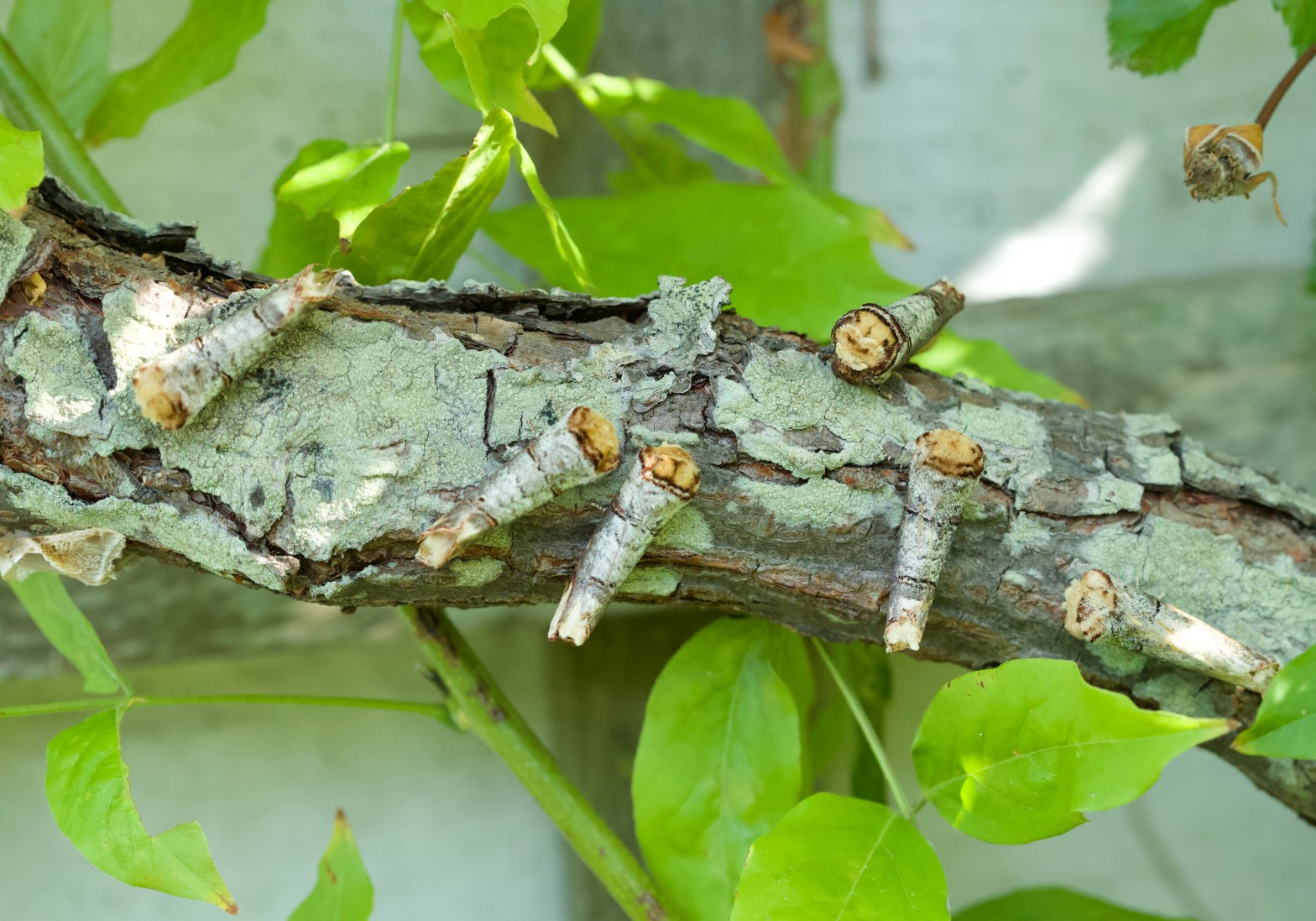
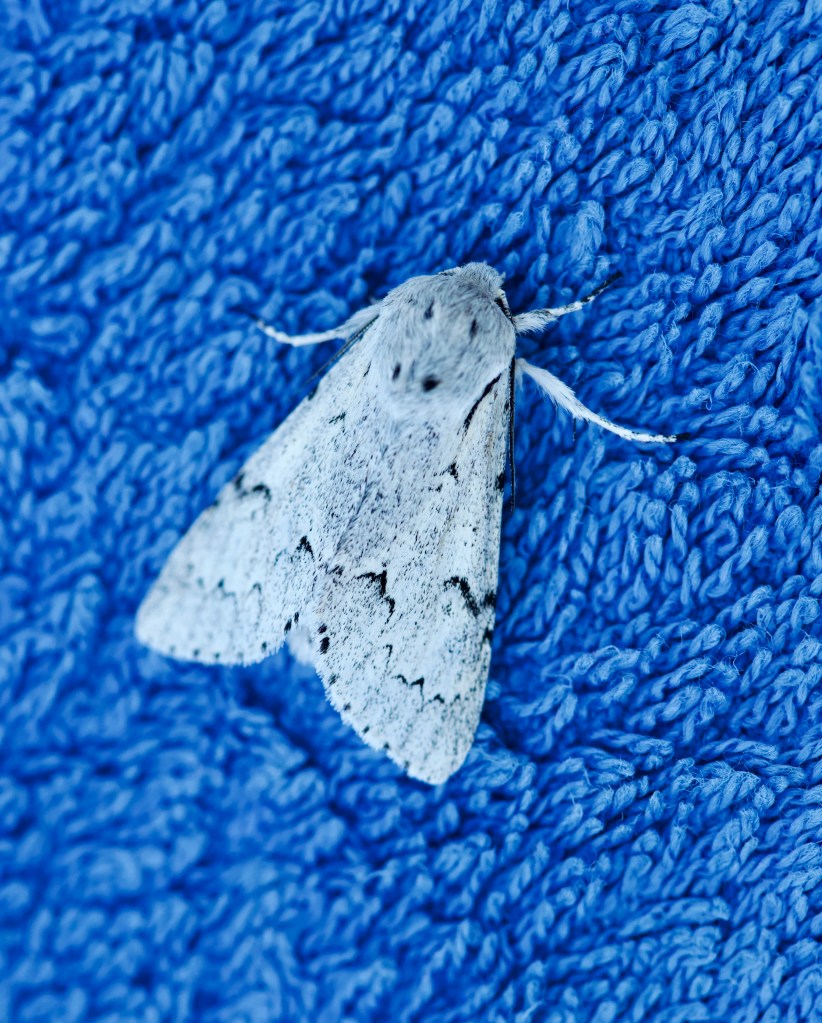
It’s just taken me around four hours to clear the moth trap this morning and I still have a clutch of moths that I can’t identify, or need confirmation. I had at least 10 Buff Tips (a bevvy of Buff Tips?) and managed to get 6 into the top photo, together with a Buff Arches in the corner. Privet, Poplar and Pine Hawk-moths present and a good selection, including some which were new into the garden this year.

Hawk-moths are large and spectacular. They are great to photograph because they’re not very inclined to fly off. These will remain hidden in the Wisteria for the rest of the day. I’ve had quite a few Privet Hawk-moths this year. The Pine Hawk-moth is the first one for 2022.

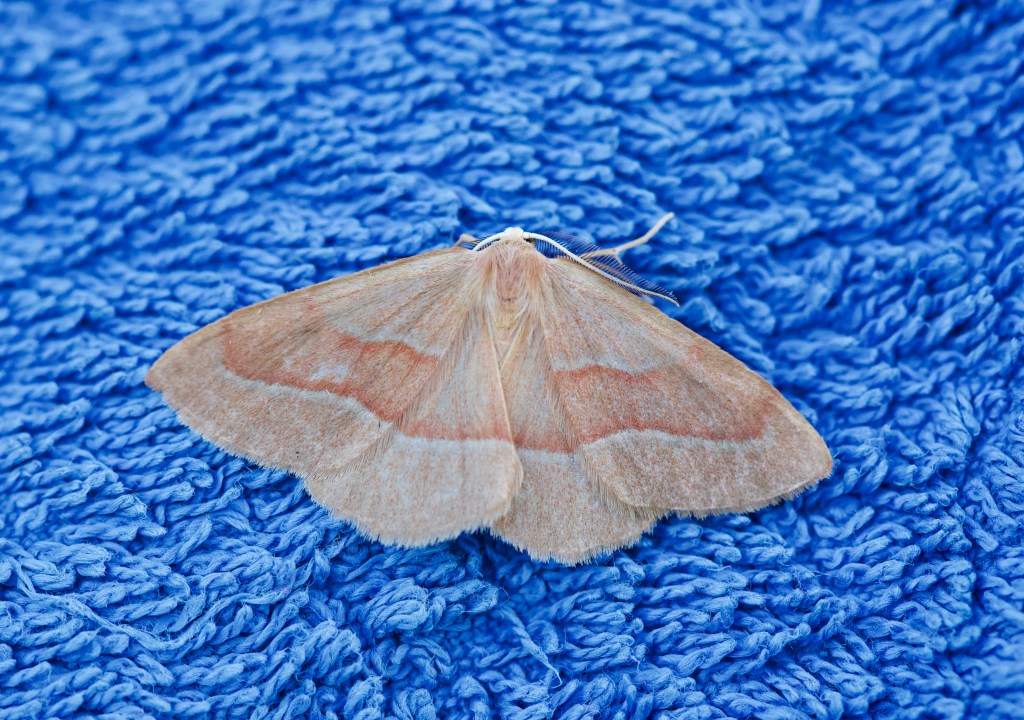
The Large Emerald and Barred Red belong to the Geometrid family. They usually rest with their wings flat.