Wednesday, 30 March, Migrants

Spring migration is well underway in the island. It was good to be bird ringing again after a break. It was an excellent morning. After cloudy overnight conditions, many Willow Warblers and Blackcaps were seen around the island and we had our fair share at Le Chateau des Marais. The Willow Warblers were barely singing, so I’m still looking forward to hearing their short, melodious song.

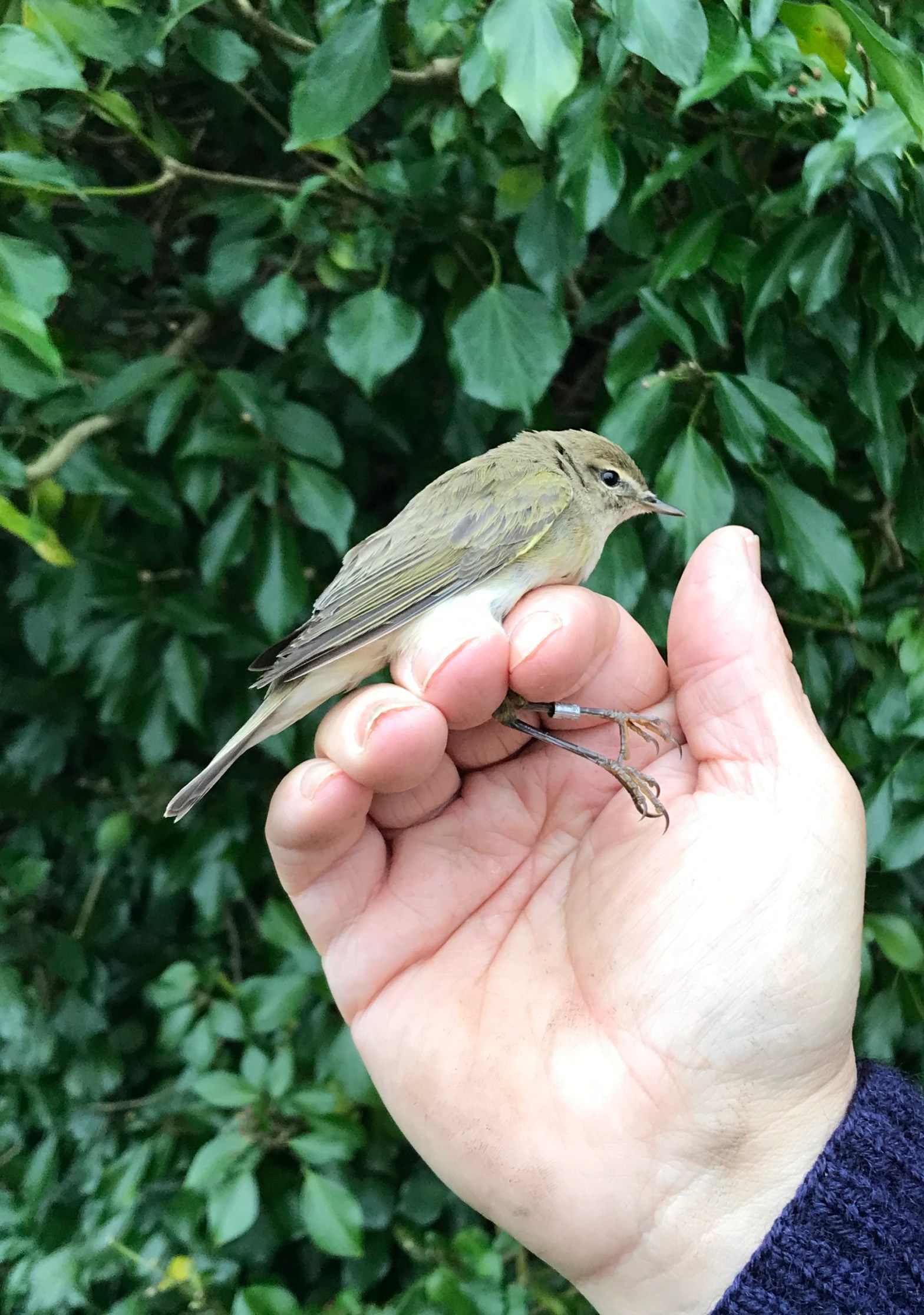
We were fortunate to have a control – a Willow Warbler that had already been ringed elsewhere. At some point, it had been ringed in France. Each ring has an individual number and a location. We have recorded the number and in due course will hear where exactly it was ringed. The French ringer will also know that one of his/her birds was re-found in Guernsey. Below is another Willow Warbler showing much brighter plumage.

Willow Warbler, Phylloscopus trochillus, Chateau des Marais, 30.3.22

Willow Warblers rarely breed here, they will continue their migration, which started south of the Sahara, to the UK.

Some Blackcaps overwinter in the island, but these individuals will have already moved on. Birds that are in the island now will either stay to breed or will pass through on their way further north. Next month they will be heard around the island. I especially enjoy hearing them in the valleys or little dip along the cliffs where there are trees or some shrubby cover.

Sunday, 27 March, South Coast Cliffs

All the ant nests are flagged! This year I have used my first visit just to flag them. Measuring and note taking will come later in the spring when I have more time. As ever, a few nests have died out. I am concerned that no new nest have been seen so far. All the flagged nests seem to be doing well and the ants are making the most of a warm and mainly dry start to the spring – they are fairly well sheltered from the east wind.

Black-backed Meadow Ant, Formica pratensis, feeding on Alexanders.

While flagging the nests, I spend a lot of time with my eyes down, scanning the path – ant runs are a useful indication that a nest may be nearby. So I also see other wildlife and some of the smaller flowers.

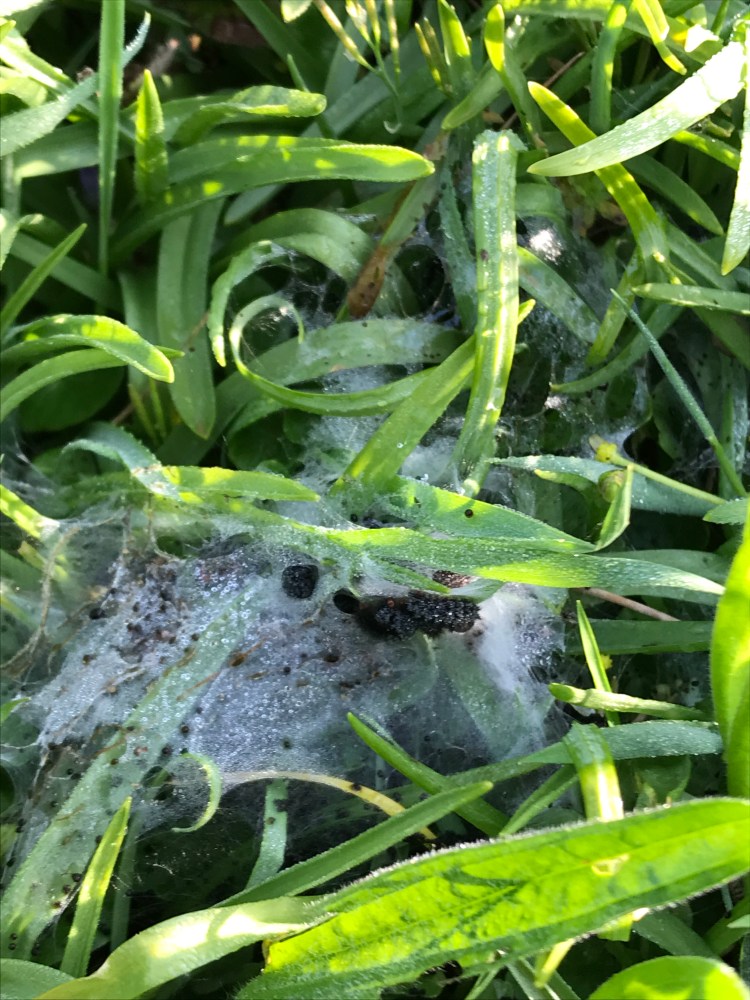
Most exciting, but not much to look at, was a larval web of the Glanville Fritillary butterfly. This was the first time I had seen one – and thanks to Andy Smith for confirming the ID. This will be added to the Glanville Fritillary page with some extra information.

At first, I thought it was a hoverfly then I saw the eyes and thought ‘Bee’. Then I posted it on ‘Insects of the Channel Islands’ – an excellent Facebook group. Tim Ransom identified it as a sawfly, very probably the Honeysuckle Sawfly, Abia lonicerae, although it’s very hard to distinguish it from the Scarce Honeysuckle Sawfly,Abia aenea. An unusual find.

24 Spot Ladybird, Subcoccinella vigintiquattuorpunctata. About 5-6mm in length, this was new to me. the sun was shining from the left and it picks out the fine hairs that cover the wing cases just before it goes into shadow. They show as a broad line of yellow dots.

It is hard to do justice to the Sand Crocus, Romulea columnae, in a photo. A close up makes it appear to be the size of a freesia. A photo of the area and they disappear. Look along the barren edges of the cliff paths and they are a joy on a sunny day at this time of the year. It is a plant with an interesting history and will have its own page shortly.

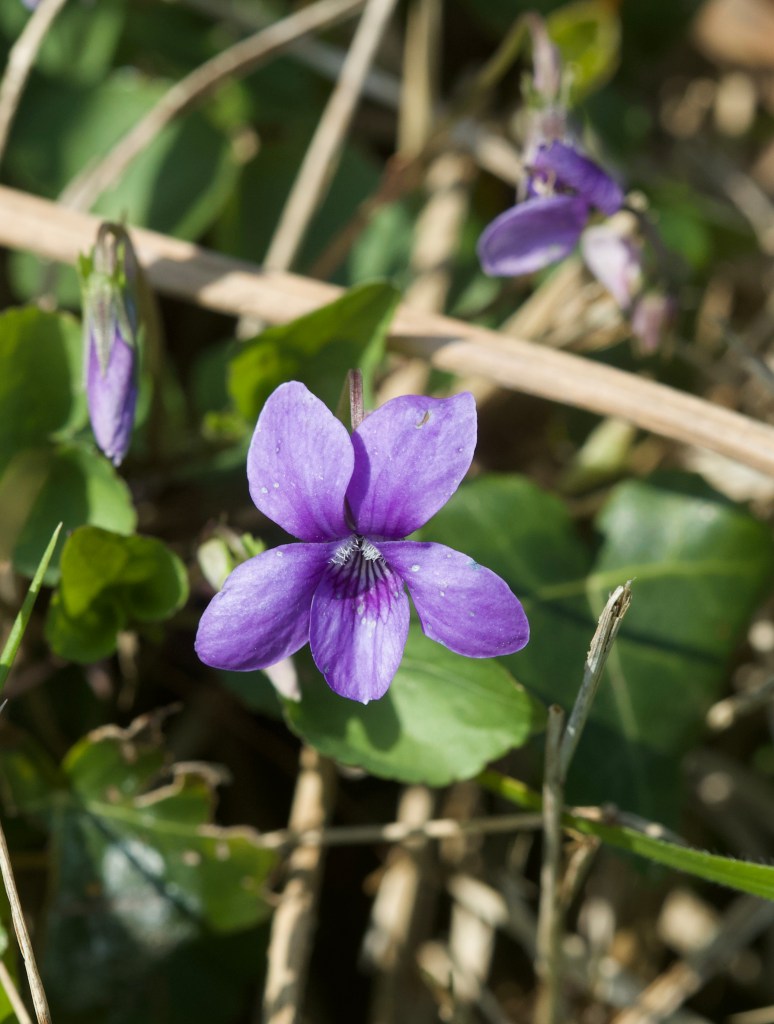
More common than the Sand Crocus, the Dog Violet complements the spring green of Guernsey banks.

One of the many Peacock butterflies, Aglais io, that have been seen around the island this month having come out of hibernation with the warmer spring weather.

Thursday 24 March, Le Prevôté

The area around the German tower has been overgrown in parts with sour fig. Every year, I pull a bit back on the coast side as there are lots of Black-backed Meadow Ants, although I have yet to find the nest. It is good to know that the Guernsey Conservation Volunteers

https://gcv.org.uk

are also working in the area and a fair bit has been cleared. The really good news is that there are plenty of native species ready to fill the gaps. In the small area south of the tower I photographed the following plants that are in flower.

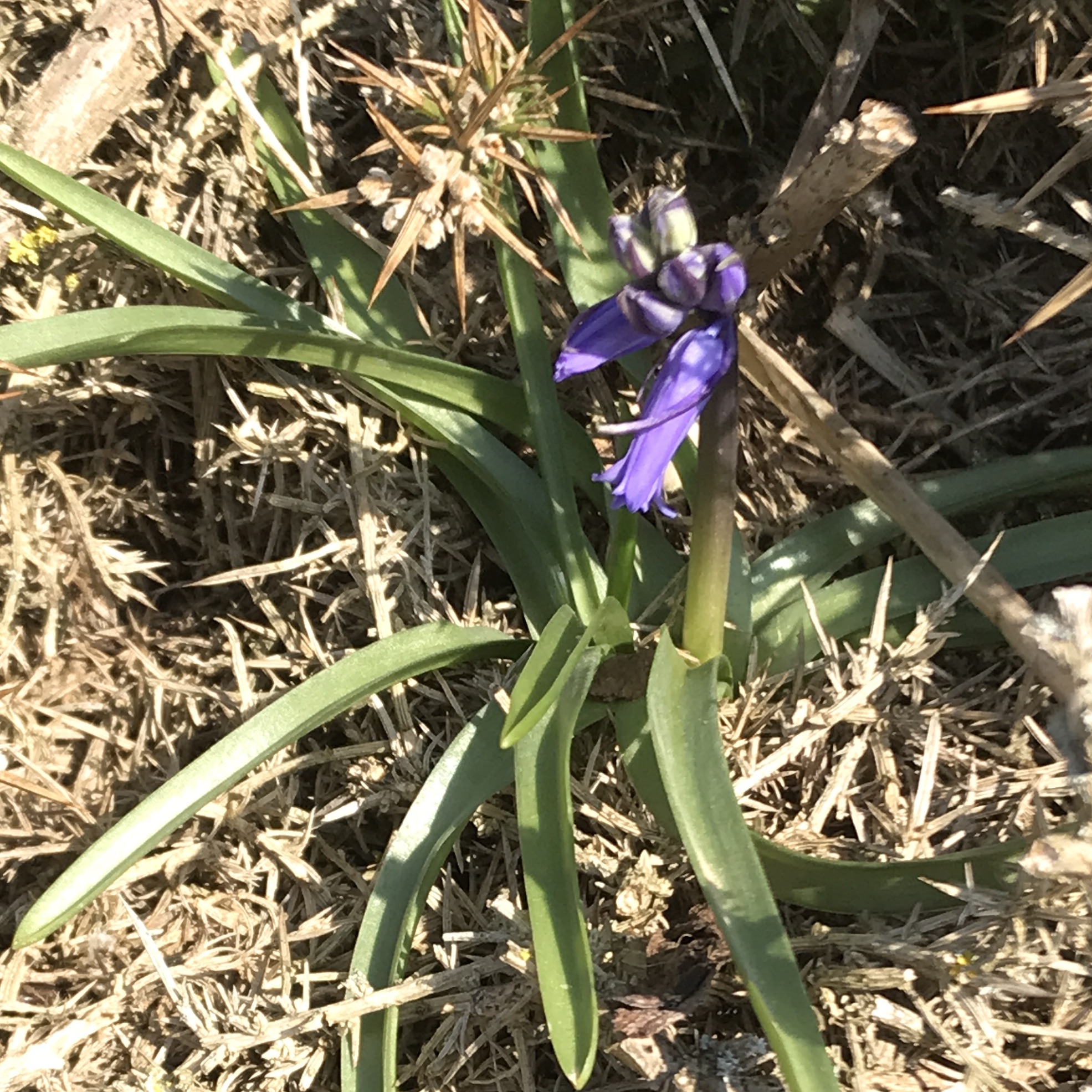
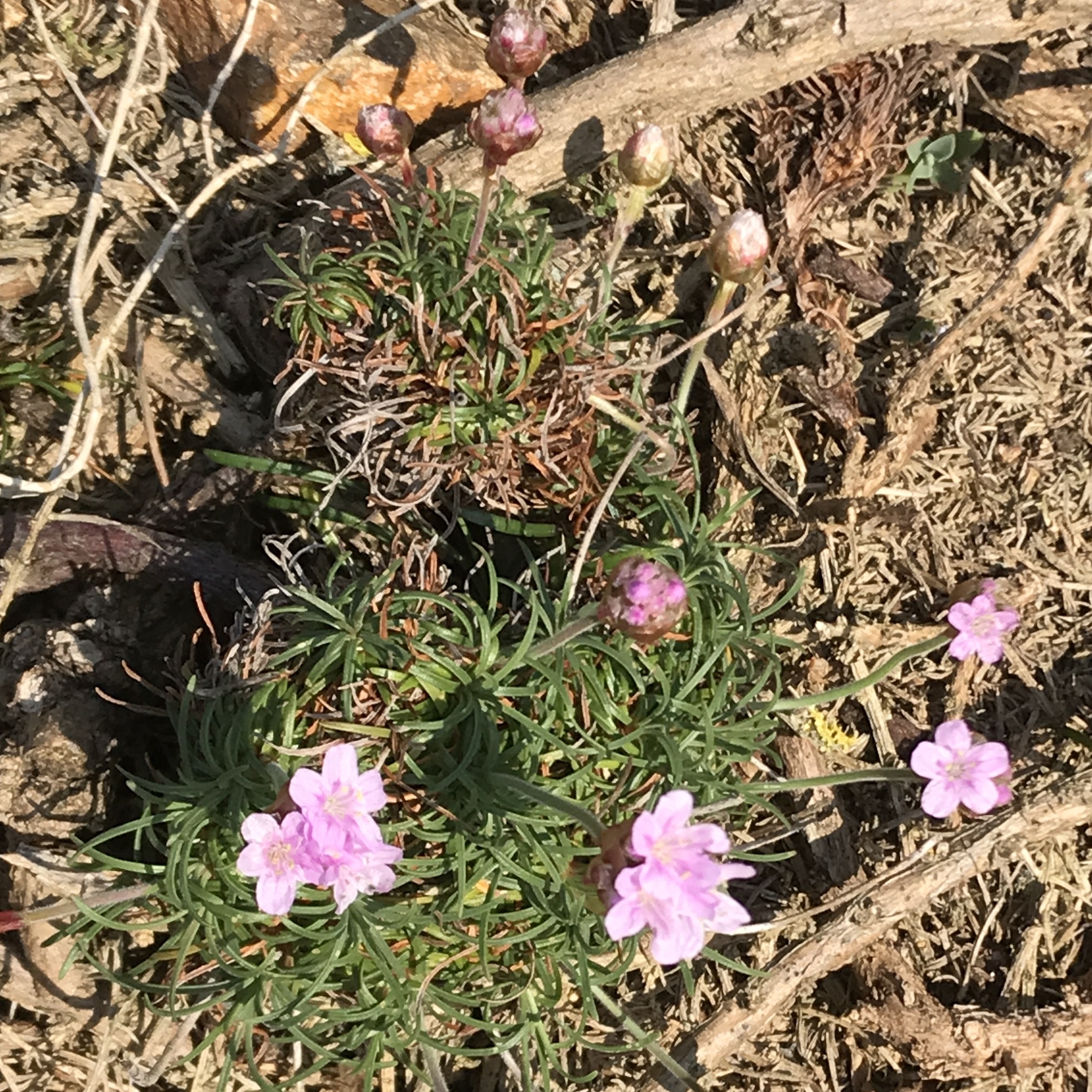
Clockwise from top left: Sand crocus, Romulea columnae, Early Forget-me-not, Myosotis ramosissima, Bluebell, Hyacinthoides non-scripta, Danish Scurvy Grass, Cochlearia danica, Sea Campion, Silene uniflora, Thrift, Armeria maritima, and Western Gorse, Ulex europaeus.

Sand Crocus takes pride of place as it is so rare in the UK – only found at Dawlish Warren in Devon, with one confirmed record at nearby Holcombe. Already these delicate, pale blue stars are lighting up barren patches on the cliffs. They are small and easily overlooked but today were plentiful on the walk east to La Corbière. The Bluebells are just starting into flower and it won’t be long before they are set off by the white Sea Campion in full bloom and the first flush of Red Campion.

The area at Les Tielles where the sour fig was cleared a couple of years ago has come into its own. The work at Le Prevôté promises to help our beautiful wild flowers reclaim some territory which can only help to sustain or even increase biodiversity.

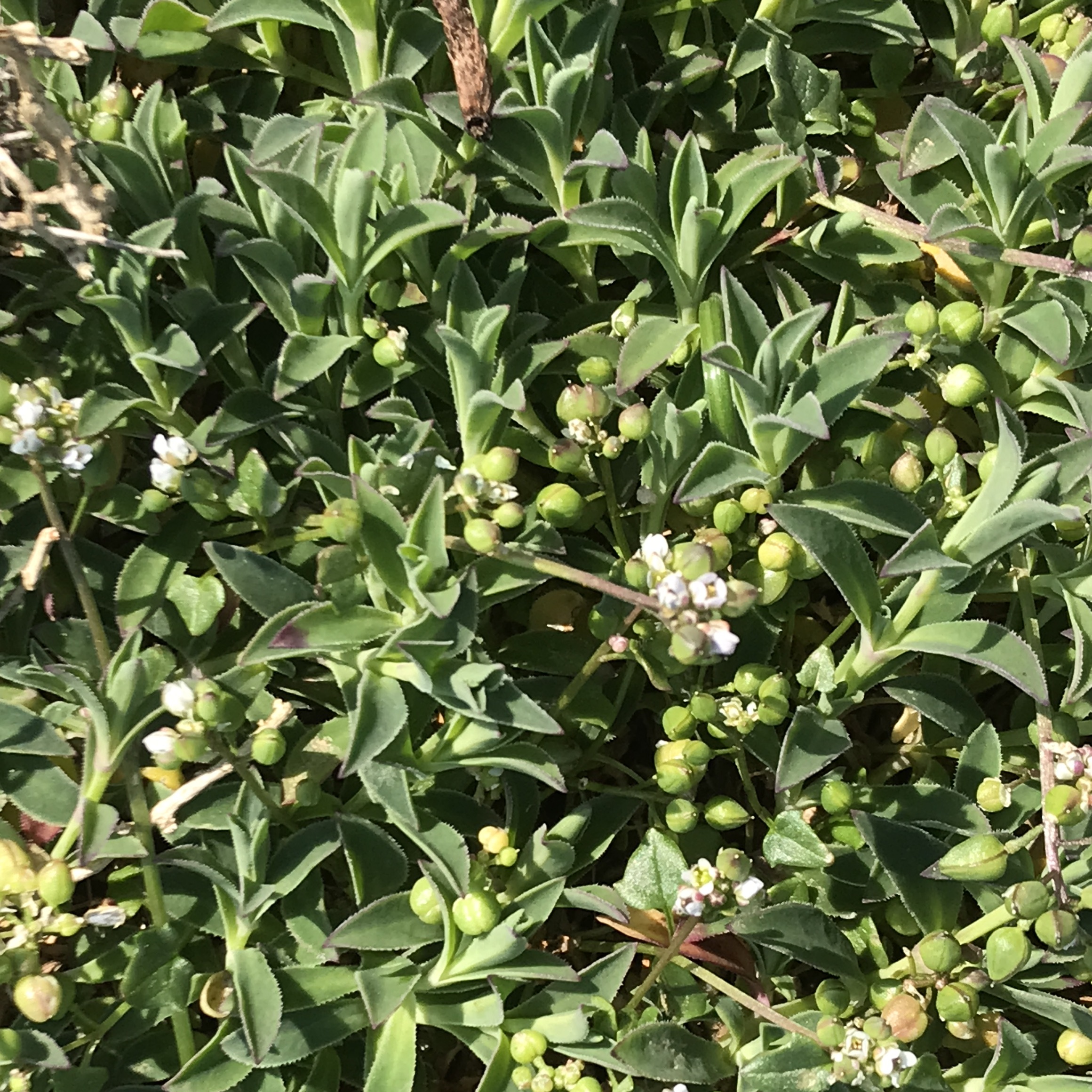
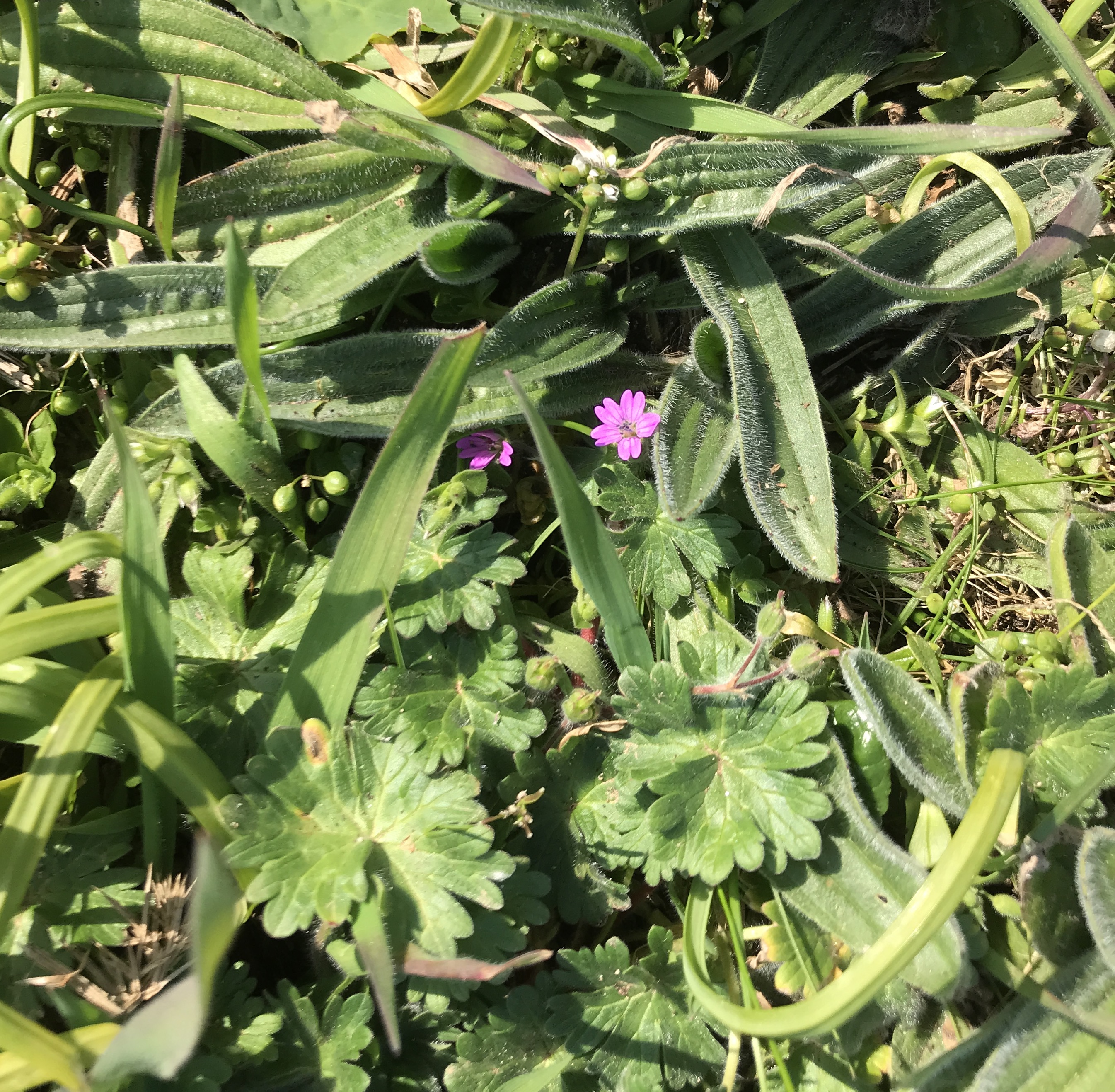
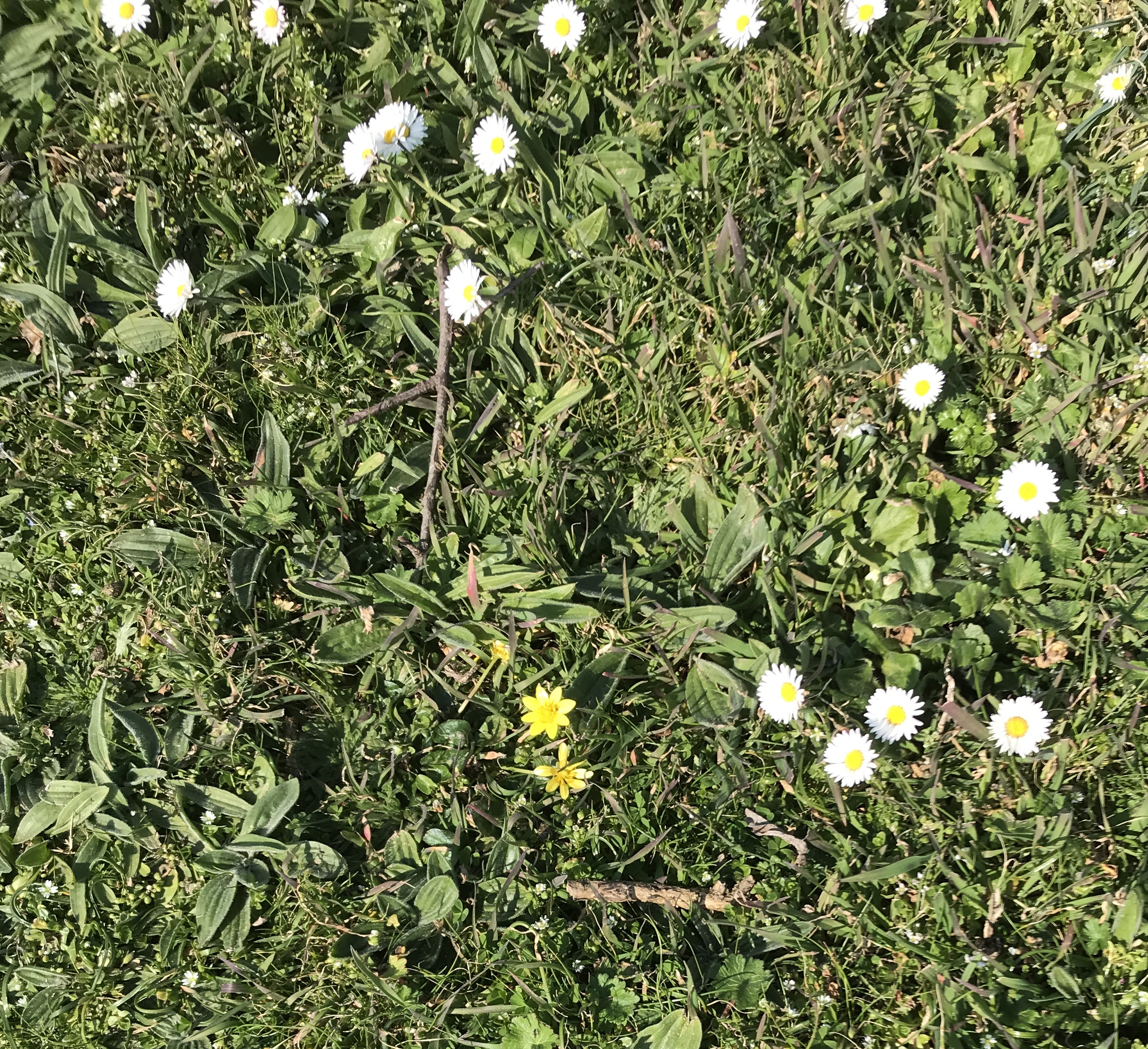
Other flowering plants along the walk included: Portland Spurge, Euphorbia portlandica, Common Fumitory, Fumaria officinalis, Dove’s-foot Crane’s Bill, Geranium molle, Ribwort Plantain, Plantago lanceolata (food plant of Glanville Fritillary caterpillars), Common Daisy, Bellis perennis, Lesser Celandine, Ficaria verna.

The ant nests are in need of reflagging ahead of the path clearance team and this was my job today.

Black-backed Meadow ants busy in the spring sunshine.
Why is this nest flagged?
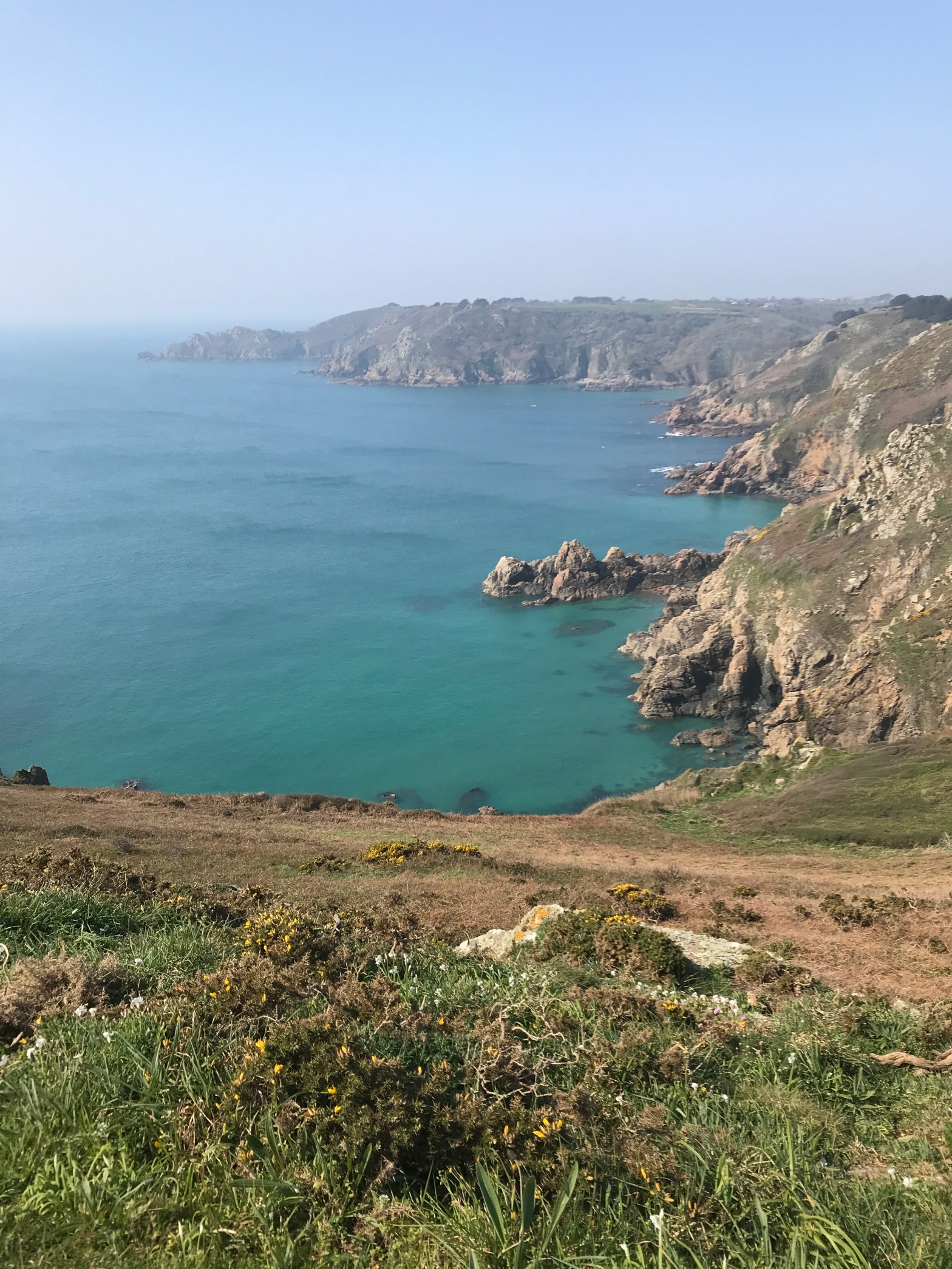
Looking back to Le Prevôté from La Corbière