Monday, 21 March, Le Grand Pré

Early spring and there’s much more activity in the reserve than last month, although the main pond was quiet apart from a pair of Coot. I’m looking forward to hearing Sedge and Reed Warblers chattering away as they arrive in the next few weeks. The Cetti’s Warblers, as usual, could be heard but were as elusive as ever.

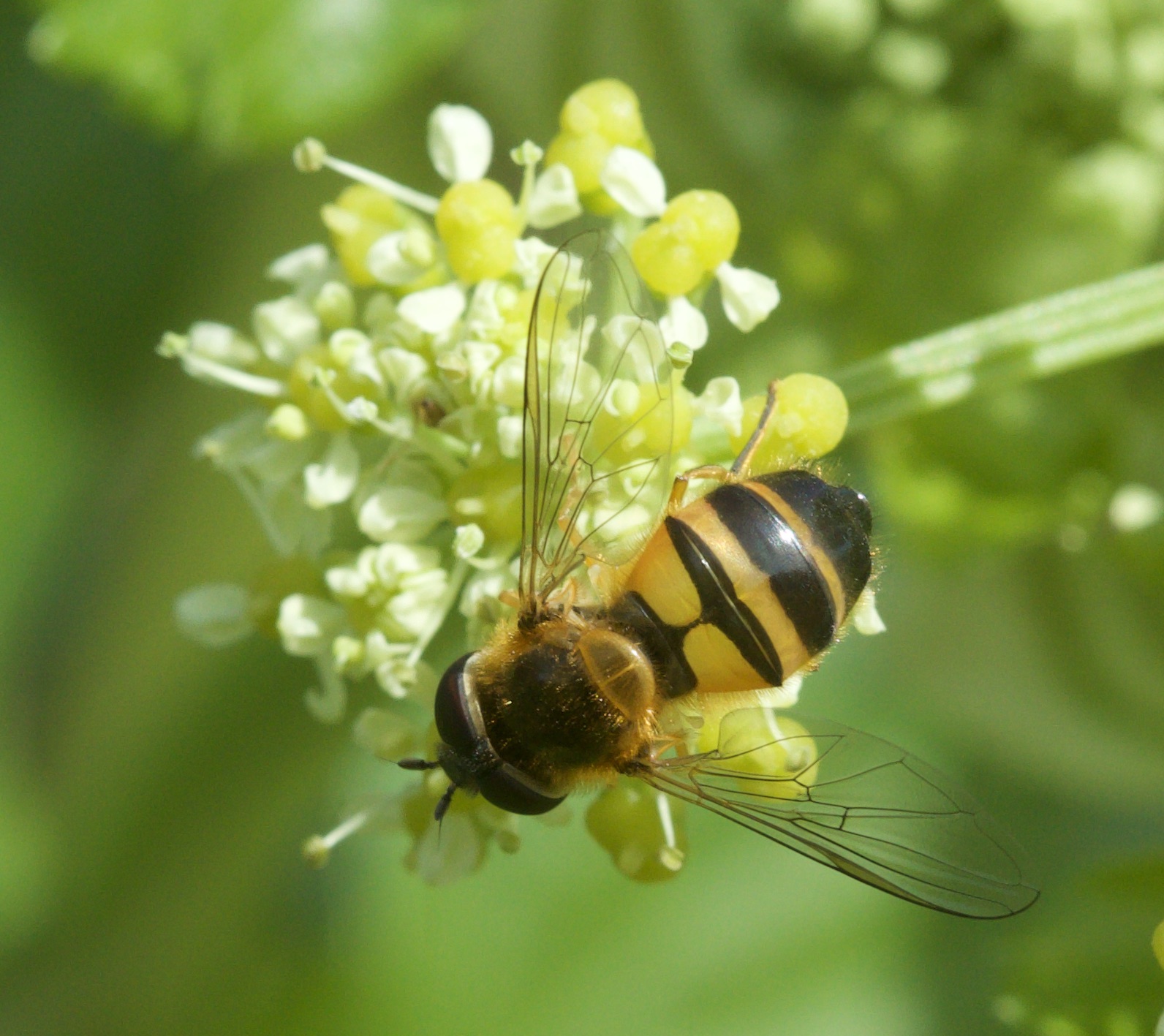
Alexanders are starting to flower in earnest and providing food for many insects, including hoverflies. Heliophilus pendulus is one of the smarter ones with vertical stripes on its thorax, this also makes it one of the easier species to identify. The second hoverfly, a female Epistrophe eligans, was new to me and thanks to Tim Ransom for the ID. Hoverflies can be a nightmare to identify accurately – I look in my field guide and confusion follows very quickly in most cases.

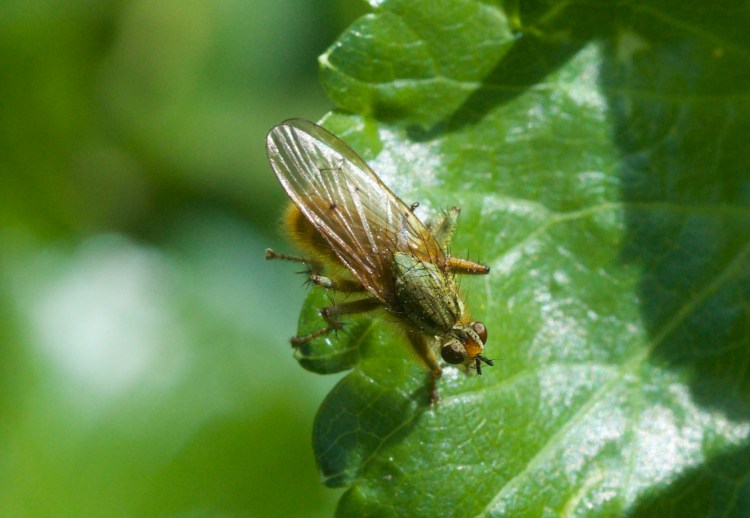
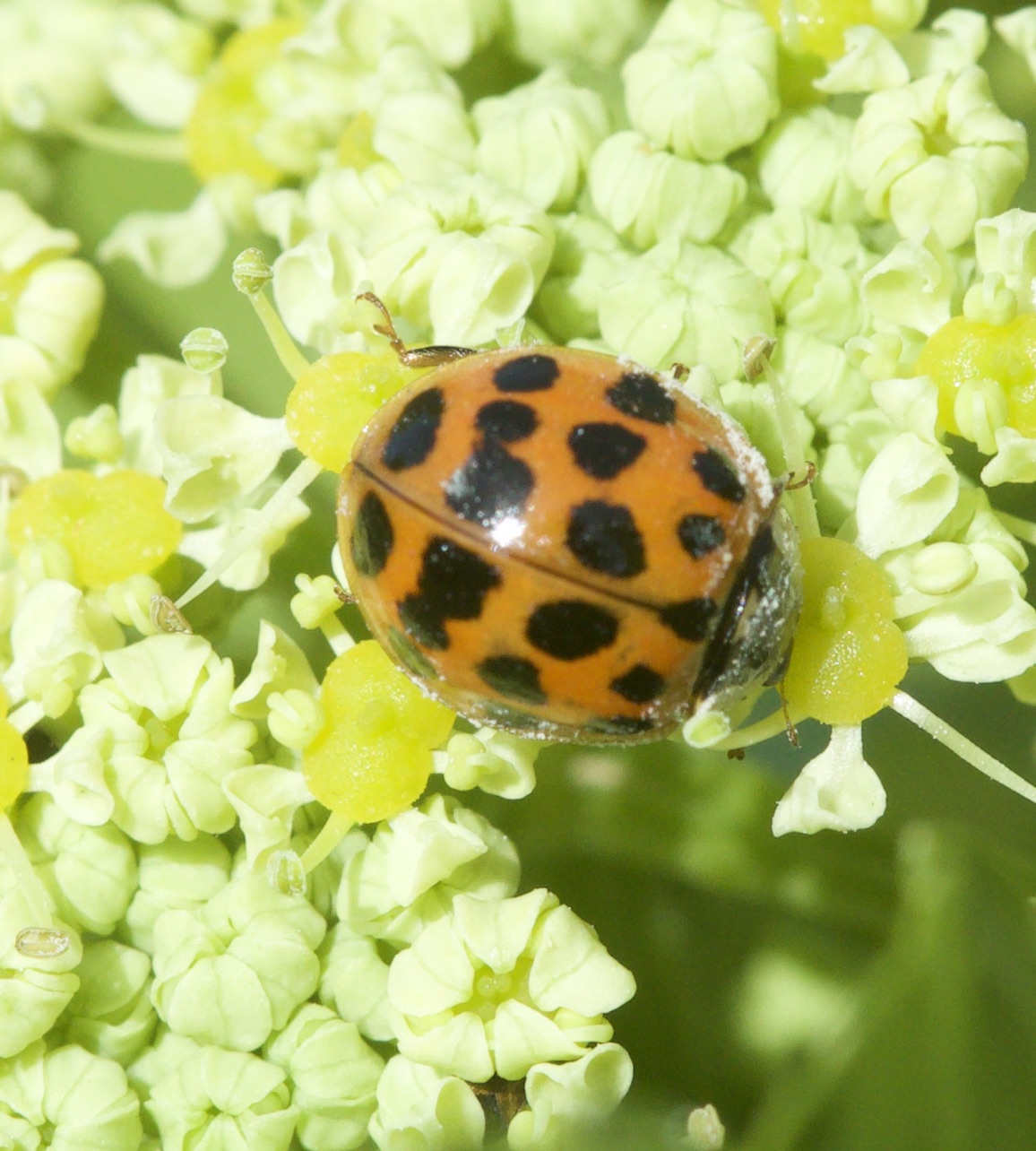
There were plenty of Yellow Dung Fly – Scathophaga stercoraria and a solitary Harlequin Ladybird, Harmonia axyridis – thanks to Jamie Hooper for the ID.
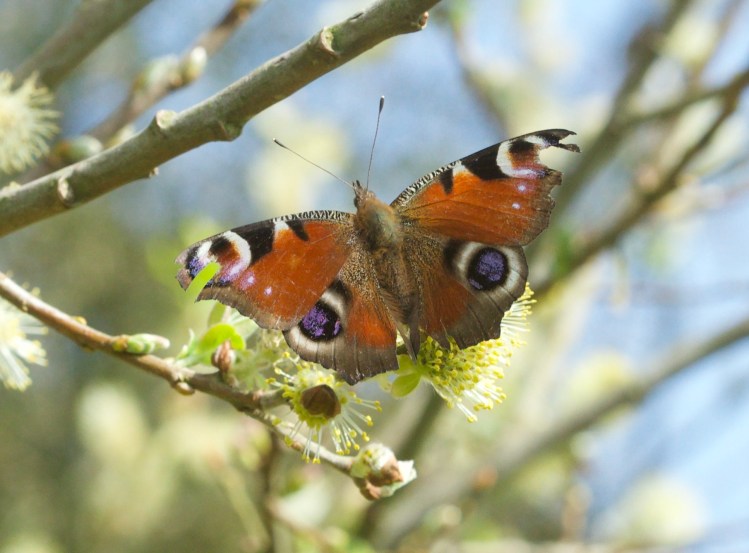
Peacock, Aglais io

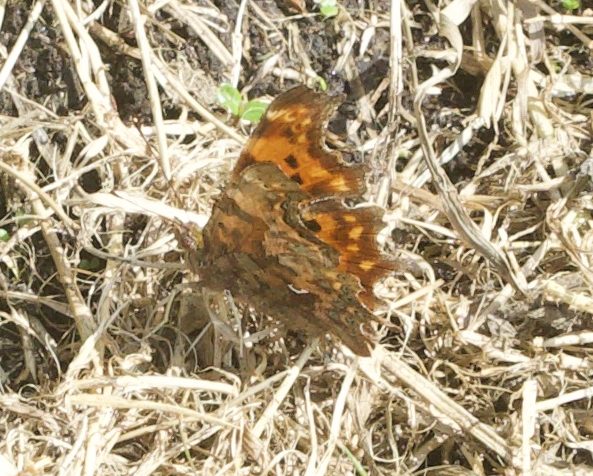
Several Peacock butterflies were sunning themselves, mainly on the ground. This one was worn but looked good up in the willow tree. There was also a Comma, not quite showing the gorgeous tawny brown of the upper wings, but the white C on the underwing which gives this butterfly its name, is clear.
The Blackthorn, Prunus spins, is coming into its own, the simple white blossom showing it to beong to the same family as peach and plum trees. Lesser Celandine, Ficaria verna is also showing well and there are a few Red Dead Nettle, Lamium purpureum, plants in flower.

The main image shows the south side of the reserve – much wetter now that a large areas of reeds and mud were dug out last summer. The spoil has raised the southern path. Ditches have also been re-dug near the hide. This is all part of the management plan – left alone, reed beds eventually dry out and are taken over by trees. Last year, the reserve had lots of dragonflies, mainly Southern Migrant Hawkers. This year, we hope that the work carried out on Le Grand Pré will encourage a wider variety of dragonflies and damsel flies.

Le Grand Pré is managed by La Société Guernesiaise. It is a wet area, predominantly reed beds. There is a pond at the bottom with a hide. There is limited parking off Rue de la Blanche Carrière . Perry’s 7 G3-4

If you have enjoyed walking this reserve and seeing its plants and wildlife and are not a member of La Societe, please make a difference and join. We need your support to care for and protect natural Guernsey. http://www.societe.org.gg
Lihou, Saturday 5 March

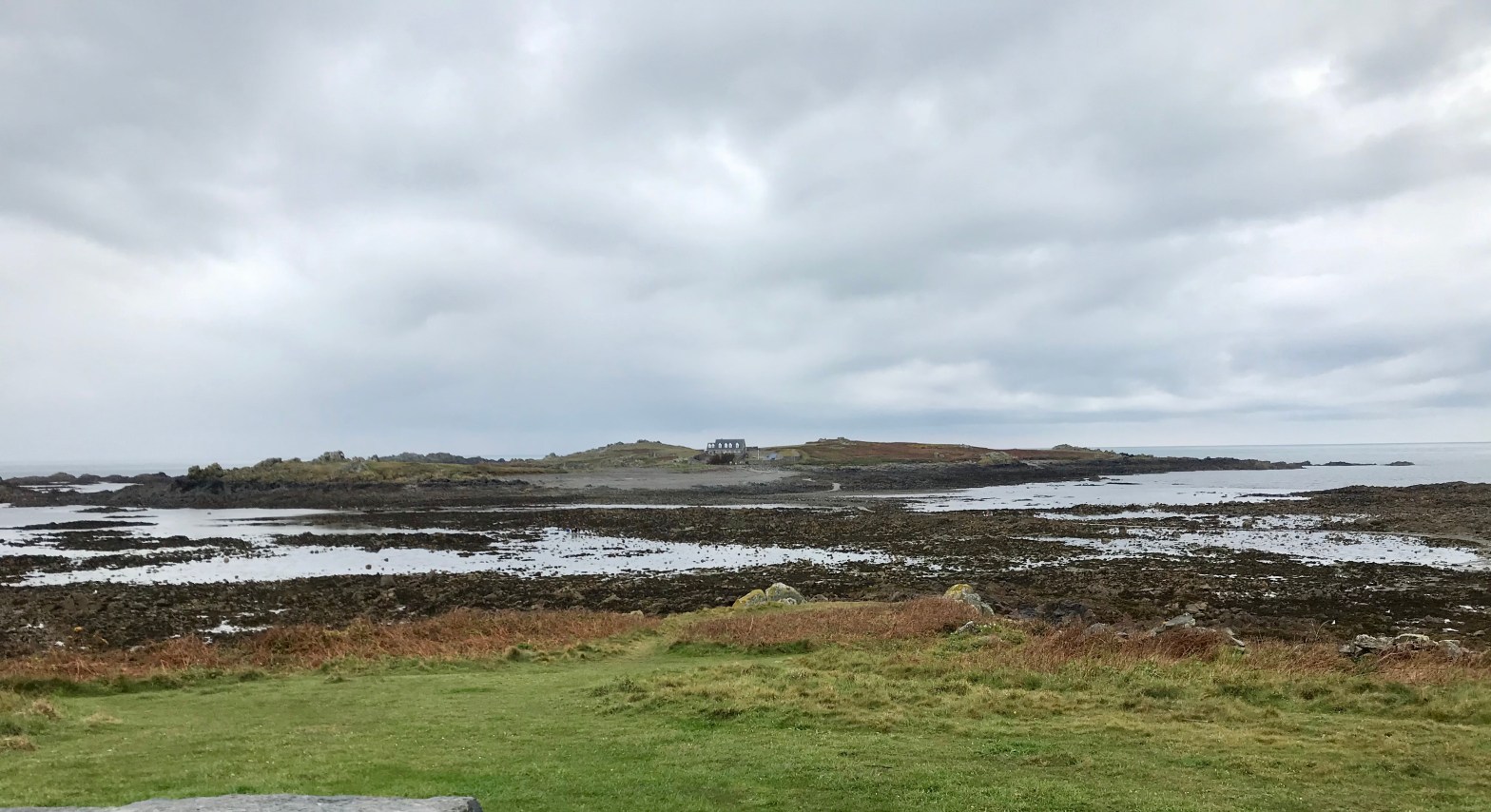
It’s the time of year when resident birds are pairing up and other birds that have spent the winter further south are returning for the breeding season. Lihou forms part of Guernsey’s Ramsar site and is used by gulls and other seabirds as a breeding site as it is relatively undisturbed.

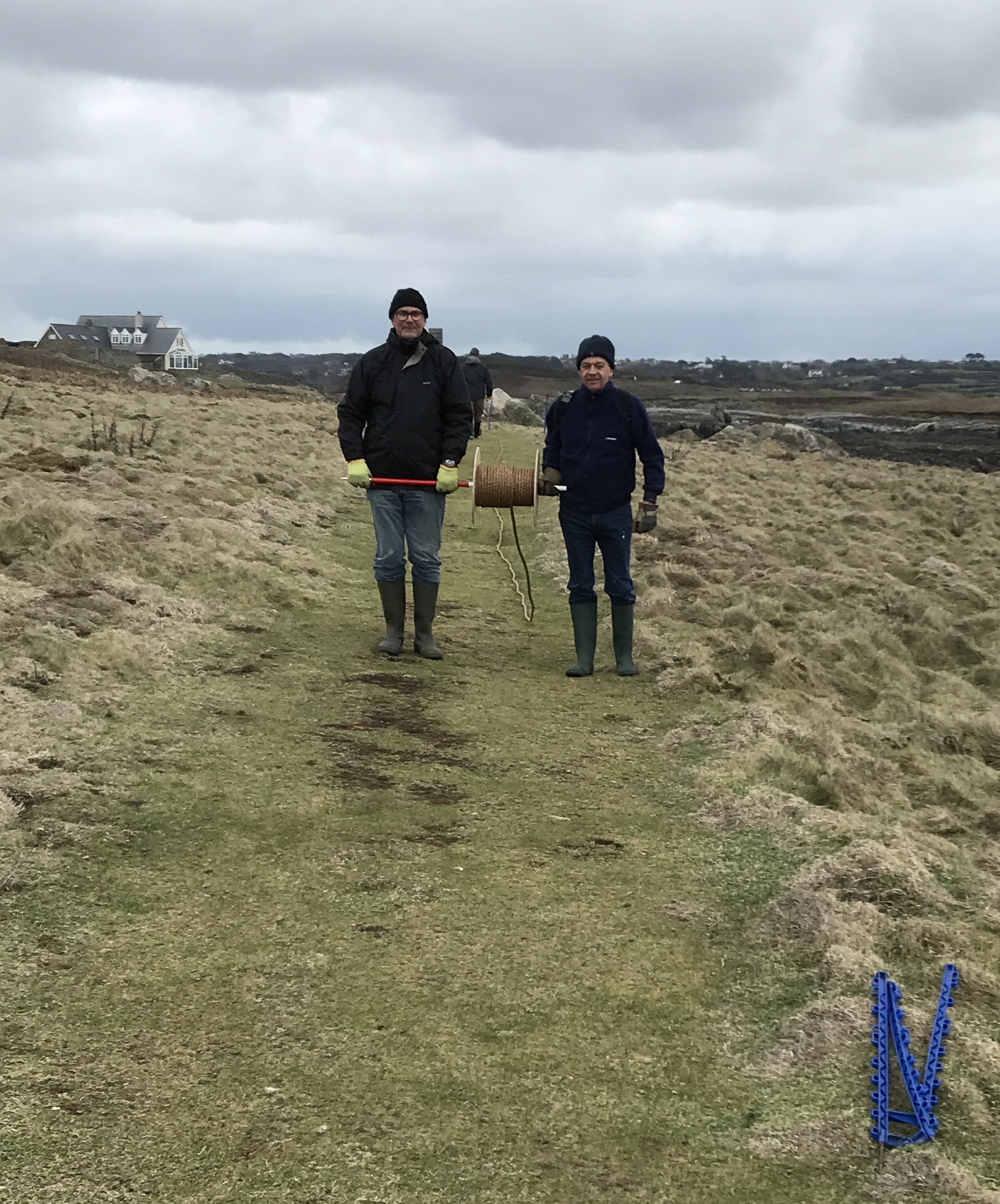
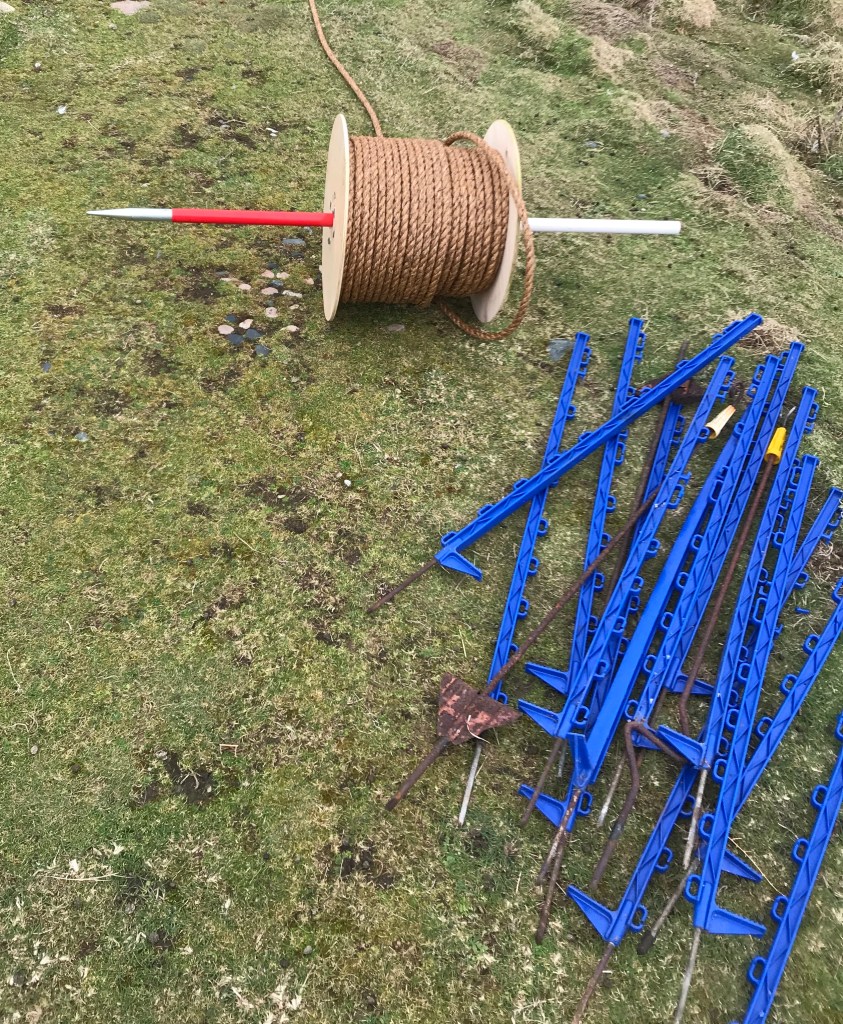
To keep visitor disturbance to a minimum, the Ornithological Section of La Société Guernesiaise rope the footpath to encourage people not to stray too far. This year, ACLMS (the States departments for Agriculture, Countryside and Land Management) have supplied new hessian rope for the job. The red and white stakes loaned by the Guernsey Biological Records Centre were also very useful, not least for rolling out the rope from the drums.

To the seaside, this will give some protection to the Herring, Lesser Black-backed and Greater Black-backed Gulls, Shags, Cormorants, Oystercatchers and, with luck, Ringed Plovers. When the land side of the path is roped off (we ran out of stakes) it will be good news for ground nesting birds such as Meadow Pipits.

Great Black-backed Gull

The largest gull: magnificent but not to be messed with. An adult can catch and eat a rabbit whole

The Lesser Black-backed Gull: smaller and slaty grey on the back. Light can make it hard to distinguish colours. It’s useful to compare the colour of the back with the wings tips and tail which are darker. Also, if the legs are on view, they are yellow.

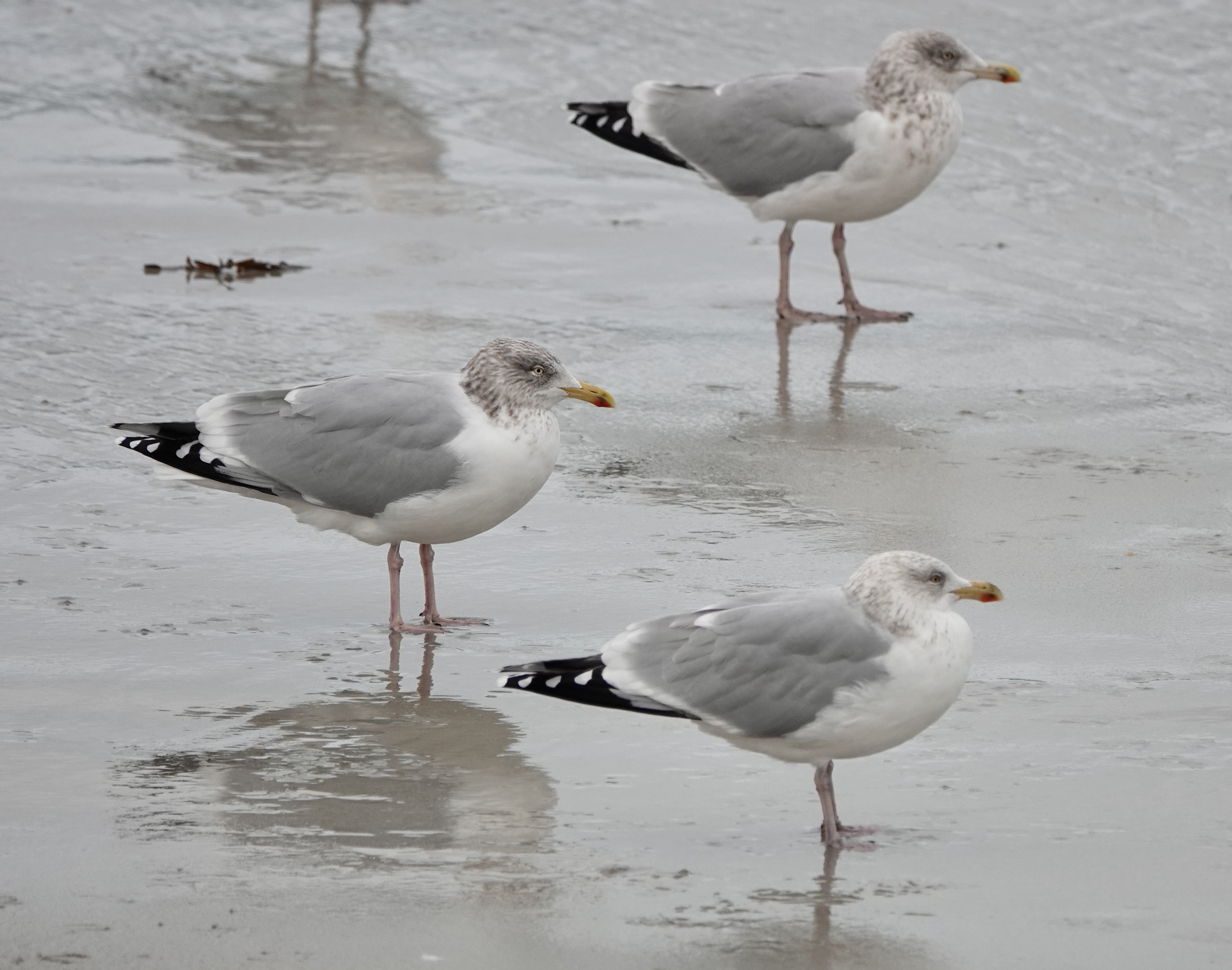
The Herring Gulls were photographed earlier in the winter with strong streaking on the head. They are now in full breeding plumage and adults will have pure white heads. They are still a common sight locally but not as numerous as they once were and are now red-listed because of a decline in the breeding population.

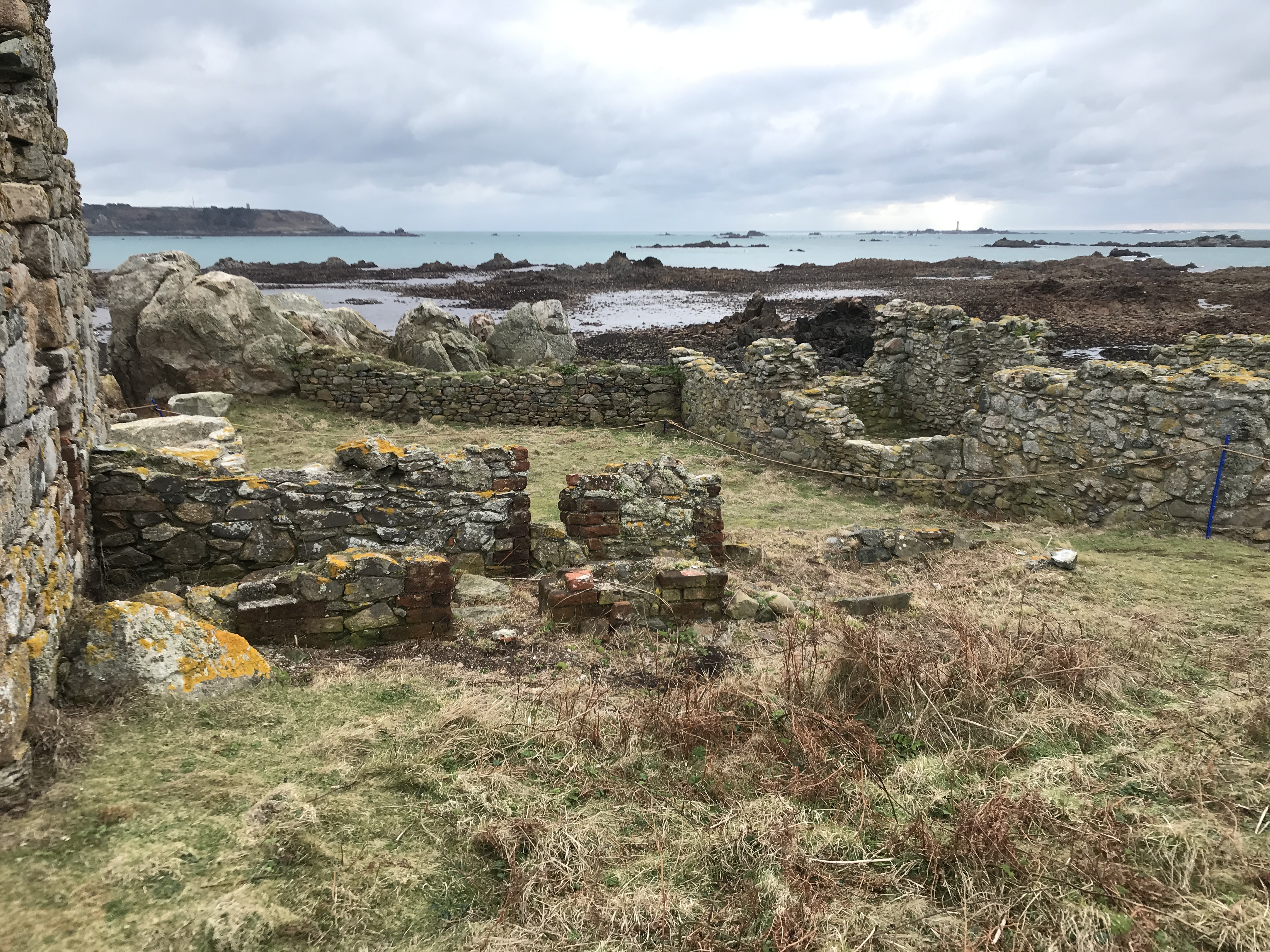
Visitors to the island still have access to the Venus Pool – nobody was swimming there today which was no surprise as the temperature was around 8 degrees – and the remains of the Priory. Check the tide times at https://www.gov.gg/CHttpHandler.ashx?id=148854&p=0 as there are days when the island is closed. the island is now run aby the Lihou Charitable Trust and the house is open in the season, offering hostel type accommodation: https://www.lihouisland.com gives more details.

3 January – 2022 Bird List

Starting my bird list for 2022 was the best reason to get out and about around the island which is exactly what I did on New Year’s Day. I ended up with a respectable 42 species.

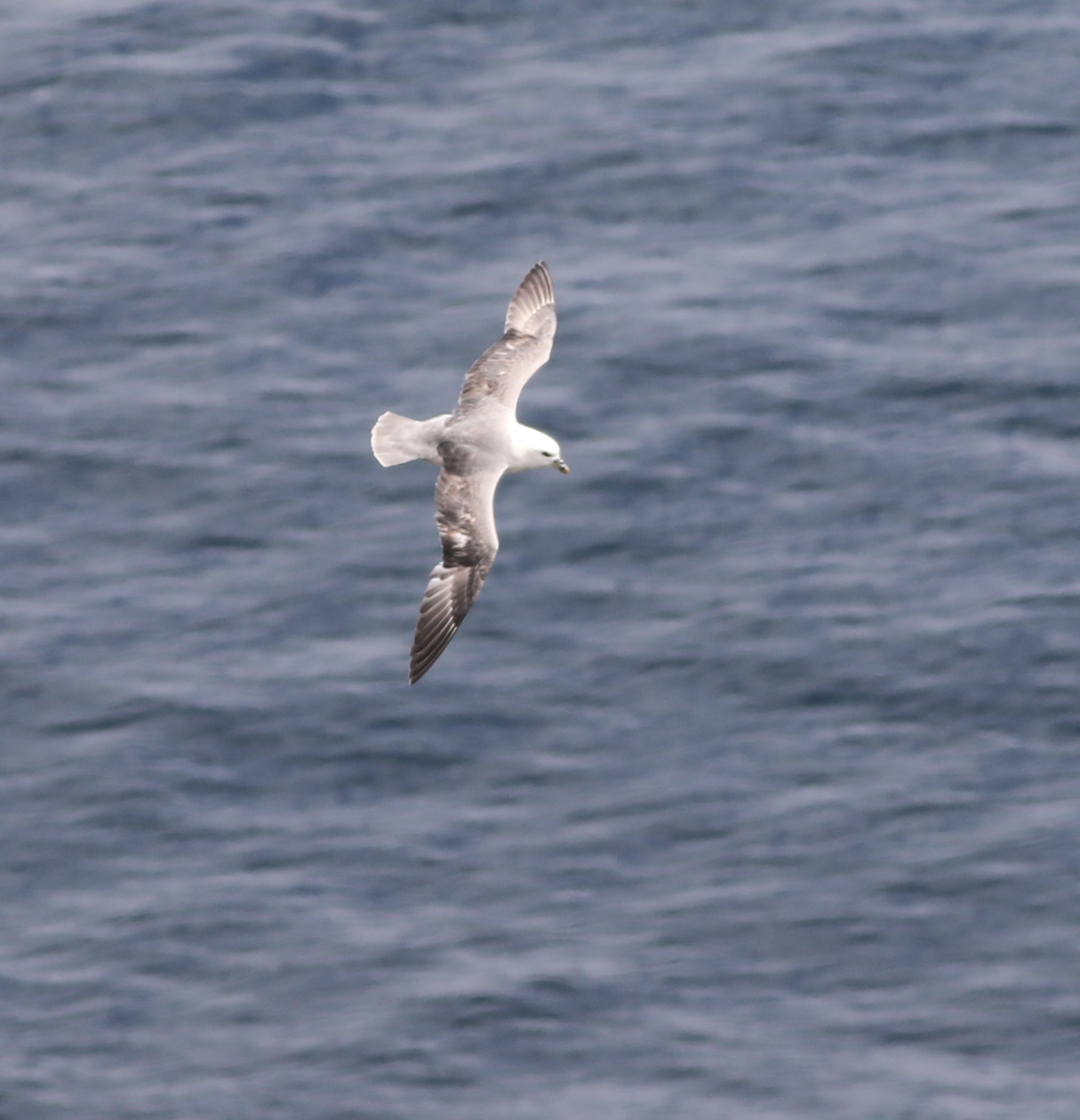
Best sight of the day were thirteen Fulmar at Petit Bôt. There is a small breeding colony in the cliff. They are one of the earliest, if not the earliest, breeding species to return to Guernsey and will have been present since December. As it was a birdwatching day, I didn’t have my camera. I returned yesterday with the large lens carefully strapped over my shoulder and I gingerly negotiated the pebbles at the top of the beach. I felt really pleased that I’d left it until later in the day with the tide well down and the sun further west to give better light. There was not a single bird present – exremely annoying as I live about as far from the bay as you can get.

The perfect photo will have to wait for another day. The less-than-perfect one at the top of this blog is a bit of a cheat – my photo but it’s from April 2017 when the Fulmars were distracting me from flagging ant nests above Creux Mahie. All the photos in this blog are a bit of a cheat as they were taken in previous years

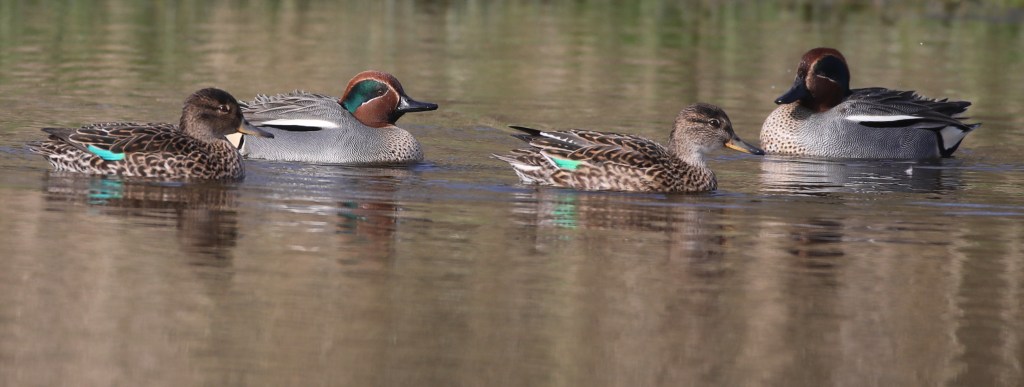
Today was unremittingly grey and wet. I tell myself there’s no such thing as bad weather, only bad clothing. So after lunch I put on my waterproofs and headed off to the Shingle Bank – pretty useless at first as the tide was right out. I enjoyed the Teal and two Marsh Harriers nearby and walked through the lanes to Perelle. A small flock of Brent Geese were on the far side of the bay.

Female and male Teal, Rue de Bergers, 8.03.2017

I was stopped in my tracks along La Rue des Bordes where there is some land owned by the Guernsey National Trust. A Song Thrush was doing its best to liven up a very glum day. Practising rather than in full voice but it was wonderful to hear. I’m shocked to discover that I don’t have a single photo of a Song Thrush, but did catch one on the trail camera a few weeks ago showing off its ‘how to catch a worm’ technique.

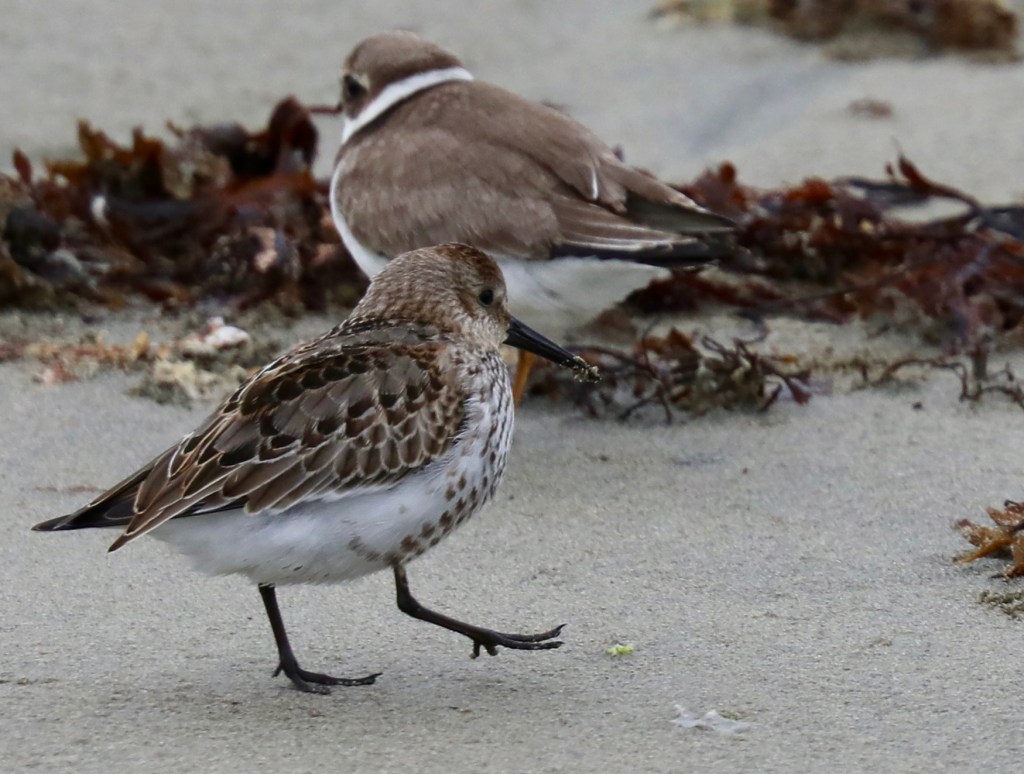
The Shingle Bank came good on the way back as the tide was coming in: a flock of about 30 Ringed Plover showing off their aerial manoeuvres which were very impressive. There were a few Dunlin mixed in with them but they were content to remain at the water’s edge while the Ringed Plovers strutted their stuff.

All in all, a very enjoyable afternoon. I now need to get over my dislike of windy days!